In the fast-paced world of texting, online banking notifications, and chat abbreviations, you may have stumbled across the phrase “remit payment” and wondered, “What does this even mean?”
Whether it pops up in a WhatsApp group, an email, or an SMS from your bank, knowing what remit payment truly entails can save you from confusion, awkward misunderstandings, or even missed deadlines.
In this guide, we’ll break it down in simple terms, show you how it’s used, and give practical examples to make it crystal clear.
What Does “Remit Payment” Mean? (Definition & Origin)
At its core, remit payment simply means to send money to someone, typically to pay for goods, services, or debts.
- Remit comes from the Latin word remittere, which means “to send back” or “to release.”
- In modern English, it’s mostly used in formal or financial contexts—think invoices, bills, or official payment requests.
So when you see “please remit payment,” it’s basically a polite or professional way of saying “please pay the amount owed.”
Quick Breakdown:
- Remit = send or transfer
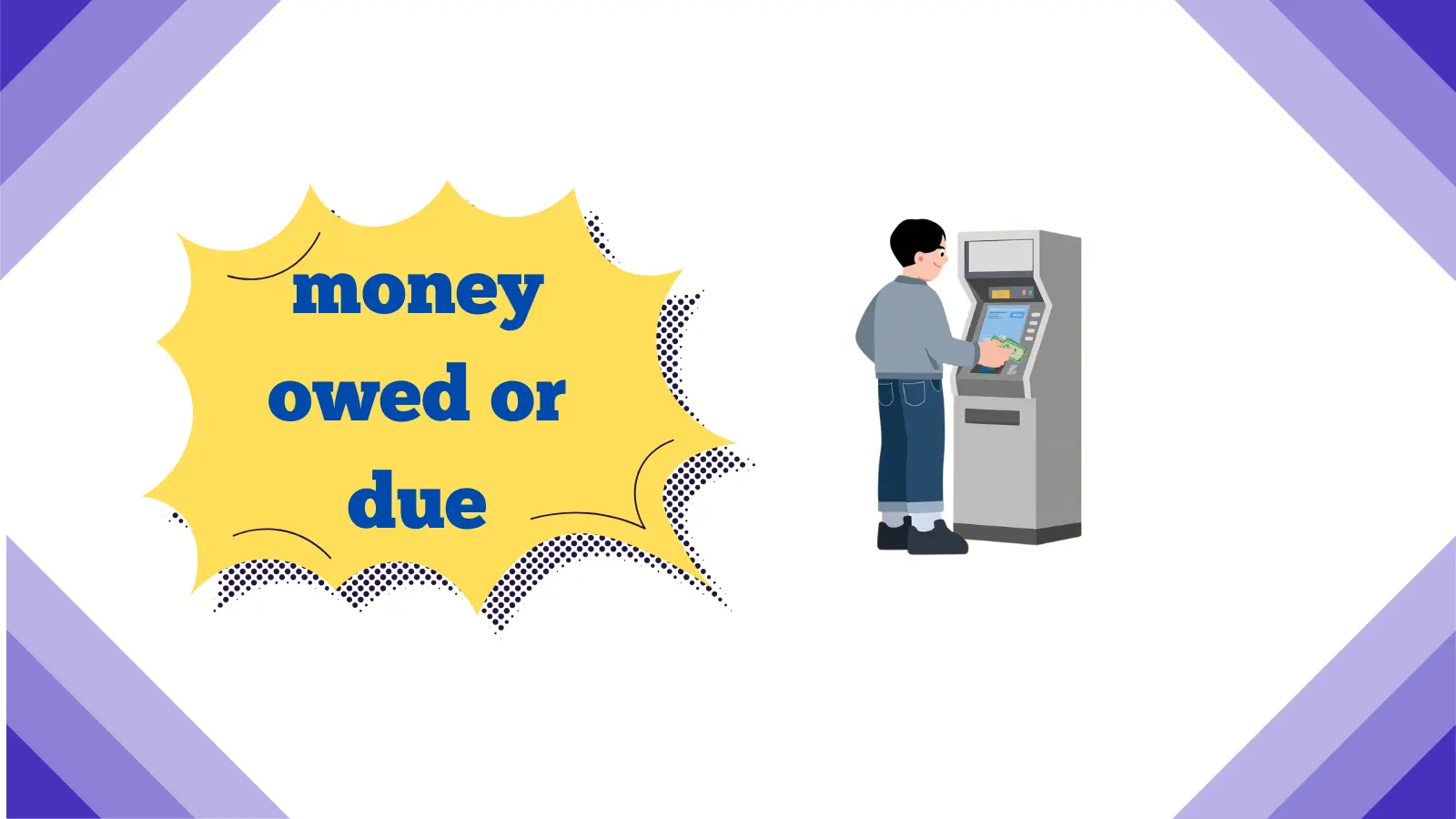
- Payment = money owed or due
- Remit Payment = send the money owed
Fun Fact: While it’s formal in banking and business, the phrase has crept into casual conversations, especially when joking about owing friends money or paying for group activities online.
How to Use “Remit Payment” in Texts or Chat
While “remit payment” is formal, you may encounter it in everyday texting in the following ways:
Professional Contexts:
- Email/Invoice: “Kindly remit payment by the end of the month to avoid late fees.”
- Bank Alerts: “Your utility provider requests that you remit payment of $120 by January 30th.”
Casual Contexts (Less Formal):
- Group Chat: “Hey, don’t forget to remit payment for the pizza we ordered 🍕😅”
- Friend Reminder: “Can you remit payment for the concert tickets? Thanks!”
Notice how context shifts the tone from strictly professional to lighthearted or casual. Using it in the wrong scenario can sound overly stiff, so match your tone to your audience.
Examples of “Remit Payment” in Conversations
Here are some real-world examples to help you recognize how people use remit payment:
- Business Email:
“Dear Mr. Ahmed, please remit payment of $500 by Friday to confirm your subscription.”
- Text Message Between Friends:
“Hey! Don’t forget to remit payment for the movie tickets. I already paid the cashier 😎”
- Online Marketplace Notification:
“Your order has been processed. Kindly remit payment to complete your purchase.”
- Social Media Humor:
“Me telling my roommate to remit payment for their share of rent: Do it or face my wrath! 😂”
Common Mistakes or Misunderstandings
Even though the phrase is simple, people often misuse it. Here are a few common pitfalls:
- Confusing “remit” with “submit” or “send” generally:
Not all “sending” counts as a remittance. The money must go to the intended recipient. - Overusing it in casual chat:
Saying “please remit payment” to a friend in a casual text might come off as comically formal. Stick to “send me the money” or “pay me back” for casual chats. - Ignoring context:
Businesses use it in invoices; banks use it in statements. Using it in the wrong context can confuse the reader.
Related Slangs or Abbreviations
In modern texting and online messaging, remit payment may sometimes be referenced with casual shorthand or slang:
- Pay up: Informal way of saying remit payment.
- Send $$: Quick chat abbreviation.
- Wire it: Refers to sending money electronically.
- Venmo/PayPal me: Platform-specific remittance requests in casual chats.
These alternatives can help you convey the same idea without sounding overly formal in casual conversations.
Practical Tips for Using “Remit Payment” Correctly
Here are actionable tips to use remit payment effectively:
- Match the formality: Use in invoices, emails, and bank communications.
- Specify the amount: Always include the sum owed to avoid confusion.
- Include deadlines: Add dates to ensure timely remittance.
- Use casual alternatives for friends: Stick to “send me the money” or “pay me back” in informal chats.
- Double-check platforms: Specify bank transfers, PayPal, Venmo, or other digital wallets.
Example: “Please remit payment of $250 via PayPal by January 30th to secure your order.”
Why Understanding “Remit Payment” Matters in 2026
With digital payments, mobile banking, and social apps dominating our daily lives, remit payment meaning is no longer confined to business offices. Even young users or casual chatters may encounter it when paying for services, splitting bills, or managing subscriptions. Understanding this term ensures:
- You respond correctly to payment requests
- You avoid awkward financial misunderstandings
- You communicate clearly, whether in professional or personal settings
Updated for 2026: With more people using apps like Venmo, Cash App, and Zelle, the concept of remittance has become more relevant in casual texting than ever before.
FAQs About “Remit Payment”
1. What does “remit payment” mean in simple terms?
It simply means to send money to someone for goods, services, or debts.2. Can I use “remit payment” in casual texting?
Yes, but it may sound formal. Shorter versions like “send $$” are common in chats.3. Is “remit payment” only for businesses?
No, anyone sending money can use it, but it’s most often seen in invoices or banking.4. How do I remind someone to remit payment politely?
You can say: “Kindly remit payment by [date]” or “Please send your part via Venmo/PayPal.”5. Are there modern slang alternatives for “remit payment”?
Yes! Popular options include “Pay up,” “Send $$,” or platform-specific phrases like “Venmo me” or “PayPal me.”
Conclusion
To sum it up, remit payment simply means sending money owed.
While traditionally formal, the phrase has started appearing in casual contexts too.
Remember: match the tone to your audience, include the amount, and specify deadlines if needed.
And if you’re chatting with friends, it’s totally okay to swap “remit payment” for “send me the money 😄.”
Share your favorite text abbreviation or funny payment reminder in the comments!
You never know your quirky example might help someone avoid a late fee or miscommunication
Leave a Reply