In today’s fast-paced digital world, abbreviations, slang, and medical terms often make their way into texts, chats, and social media conversations.
One such term you might see floating around online or in forums is “alopecia.” Whether someone mentions it casually in a meme, a discussion about health, or a personal story, it’s important to understand what alopecia actually means, how it’s used, and why it matters in online communication.
In this article, we’ll break down alopecia meaning, provide examples of its use, clear up common misconceptions, and give you practical advice on how to understand and use it correctly.
This guide is freshly updated for 2026, so you’ll get the most current context for texting, social media, and online chats.
What Does “Alopecia” Mean? (Definition & Origin)
Alopecia is a medical term referring to hair loss, which can occur on the scalp, face, or other parts of the body. The word comes from the Greek term alopekia, which means “fox mange” — a reference to the hair loss often seen in foxes.
There are several types of alopecia:
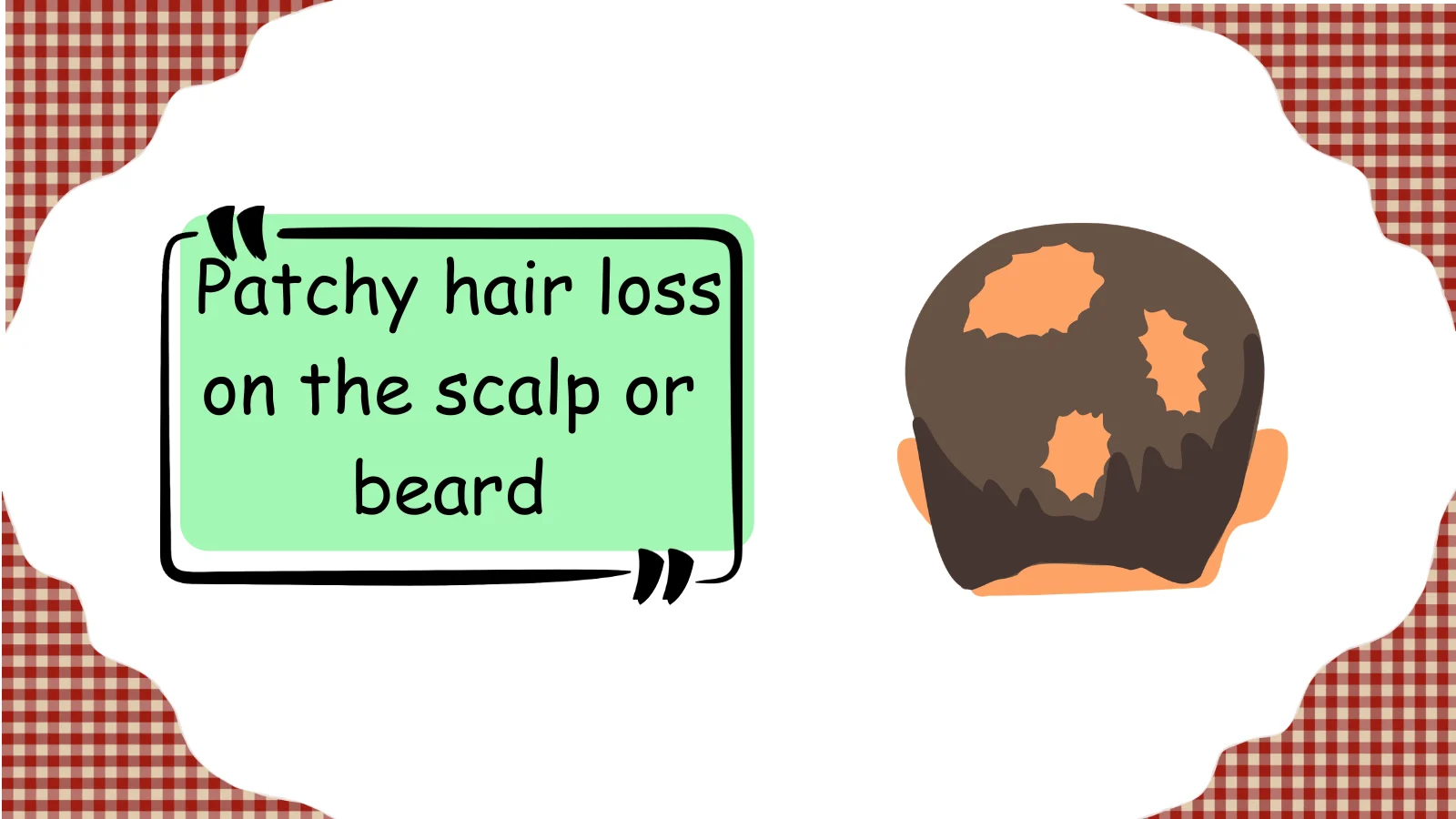
- Alopecia Areata: Patchy hair loss on the scalp or beard area.
- Androgenetic Alopecia: Commonly known as male or female pattern baldness.
- Alopecia Totalis: Complete loss of hair on the scalp.
- Alopecia Universalis: Total hair loss on the entire body.
💡 Pro Tip: When someone types “alopecia” in a text, they might be discussing personal hair loss, sharing a health update, or even referencing a meme or social awareness post.
How to Use “Alopecia” in Texts or Chat
Using medical terms like alopecia in texts has become more common as people share personal experiences and online communities grow. Here’s how it usually shows up:
- Informational Texts:
“I just learned that alopecia areata affects about 2% of the population!” - Supportive Messages:
“Hey, I know dealing with alopecia can be tough, but you’re amazing.” - Memes or Humor: (Used carefully!)
“Me after a stressful week: alopecia vibes 😅” - Social Media & Forums:
- Reddit threads like r/alopecia often share hair care tips and community stories.
- Instagram and TikTok creators may post updates using hashtags like #alopecia or #alopeciastory.
⚡ SEO Tip: Combining “alopecia” with words like meaning, types, causes, treatment in online content will naturally match how people search for it in 2026.
Examples of “Alopecia” in Conversations
Here are some realistic examples of how the term appears in chats and texts:
Example 1: Casual Chat
- Friend 1: “I noticed some patches on my scalp… might be alopecia?”
- Friend 2: “Yeah, could be! Have you checked a dermatologist?”
Example 2: Social Media Post
- “Living with alopecia isn’t easy, but confidence > hair. 💪 #alopeciastrong”
Example 3: Meme Text
- “Me thinking I lost hair because of stress: alopecia confirmed 😭”
Notice how context matters—it can be serious, supportive, or humorous, depending on the audience.
Common Mistakes or Misunderstandings
Many people misuse or misunderstand alopecia online. Here are some common pitfalls:
- Confusing Hair Thinning with Alopecia:
- Hair thinning due to stress or diet isn’t always true alopecia.
- Using Alopecia as a Joke Without Sensitivity:
- Some memes may unintentionally hurt people experiencing hair loss.
- Overgeneralizing:
- Saying “I have alopecia” without specifying type can confuse readers.
✅ Tip: Always match the tone to your audience—supportive, educational, or casual humor can work if used thoughtfully.
Related Slangs or Abbreviations
In online chats, people might mix medical terms with slang or abbreviations. Here are a few related ones:
- Baldie: Informal term, sometimes playful, sometimes offensive—use carefully.
- Thinning: Refers to hair loss without specifying alopecia type.
- Hair Loss Threads: Online discussion spaces, e.g., Reddit, TikTok communities.
- #HairJourney: Hashtag for sharing personal experiences, including alopecia.
💬 Fun Fact: Some communities even use GIFs, emojis, or hashtags like 💇♂️❌ to subtly reference hair loss without writing the word.
How to Talk About Alopecia Respectfully Online
When texting or posting about alopecia, consider these points:
- Be empathetic: Many people feel self-conscious about hair loss.
- Avoid jokes at someone else’s expense: Memes are fine if shared personally, not targeting someone else.
- Provide context if unsure: “I mean alopecia areata, not just thinning hair.”
- Use hashtags for awareness: #AlopeciaAwareness, #HairLossJourney.
These tips help ensure your message is informative, sensitive, and relatable.
Why Understanding “Alopecia” Matters in 2026
As digital conversations grow, medical literacy online becomes more important. Knowing what alopecia means can help you:
- Support friends experiencing hair loss.
- Avoid misunderstandings in text or chat.
- Participate in informed discussions on forums or social media.
- Understand memes or posts that reference hair loss humorously.
📈 Trend Update 2026: Alopecia awareness campaigns continue to rise on TikTok and Instagram, making the term increasingly common in online conversations.
Conclusion
Understanding alopecia meaning is more than just knowing a medical definition it’s about being informed, empathetic, and literate in modern chat culture.
From serious discussions to supportive messages and even playful memes, knowing the context can help you communicate effectively.
Whether you’re texting a friend, posting on social media, or participating in a forum, remember to use the term respectfully, clarify the type if needed, and stay aware of how it’s trending online in 2026.
Leave a Reply