In today’s fast-paced digital world, texts and online chats are full of abbreviations, slang, and shorthand that can leave even the savviest texter scratching their head.
One term you might come across is “stuttering”.
But what does it really mean when someone types it in a message or online chat?
Understanding stuttering meaning is not just about decoding a word it’s about connecting with the nuances of modern online communication.
Updated for 2026, this guide ensures you stay current in the ever-evolving world of online language.
What Does “Stuttering” Mean? (Definition & Origin)
At its core, stuttering in texting or chat culture refers to the repetition of letters, syllables, or words in writing to convey hesitation, nervousness, or excitement much like how someone might stutter in real-life speech. It’s often used to express strong emotions, comedic effect, or dramatic pauses.
Origin:
While stuttering as a speech disorder has been around forever, its usage in texting and memes emerged around 2010–2015 on platforms like Tumblr and Twitter, where users wanted to mimic spoken language patterns digitally. It’s now common on platforms like Discord, TikTok, and WhatsApp.
Example:
- “I-I-I can’t believe this just happened!”
- “S-so you’re telling me he did WHAT?”
Notice how the repeated letters mimic the stammering sound of someone speaking nervously or excitedly.
How to Use “Stuttering” in Texts or Chat
Using stuttering in chats is more art than science. It’s not about random repetition it’s about expressing emotion. Here’s how you can use it effectively:
- Excitement or Shock:
- “I-I-I just won tickets to the concert!”
- Nervousness or Hesitation:
- “I… I don’t know if I should tell you this…”
- Dramatic Effect for Humor:
- “B-b-but why would you do that? 😂”
Pro Tips:
- Don’t overuse it—too much repetition can confuse readers.
- Match the tone—stuttering should feel natural, like spoken hesitation.
- Combine with emojis or punctuation for emphasis:
- “I-I-I can’t… 😳”
Examples of “Stuttering” in Conversations
Seeing stuttering in real-life text examples makes it easier to understand:
Scenario 1 – Nervous Confession:
- Friend: “Hey, do you like… like me?”
- You: “I-I-I think so… maybe 😅”
Scenario 2 – Shocked Reaction:
- Text: “Did you hear? Jake just adopted a llama!”
- Reply: “W-w-what?! No way! 😂”
Scenario 3 – Excited Announcement:
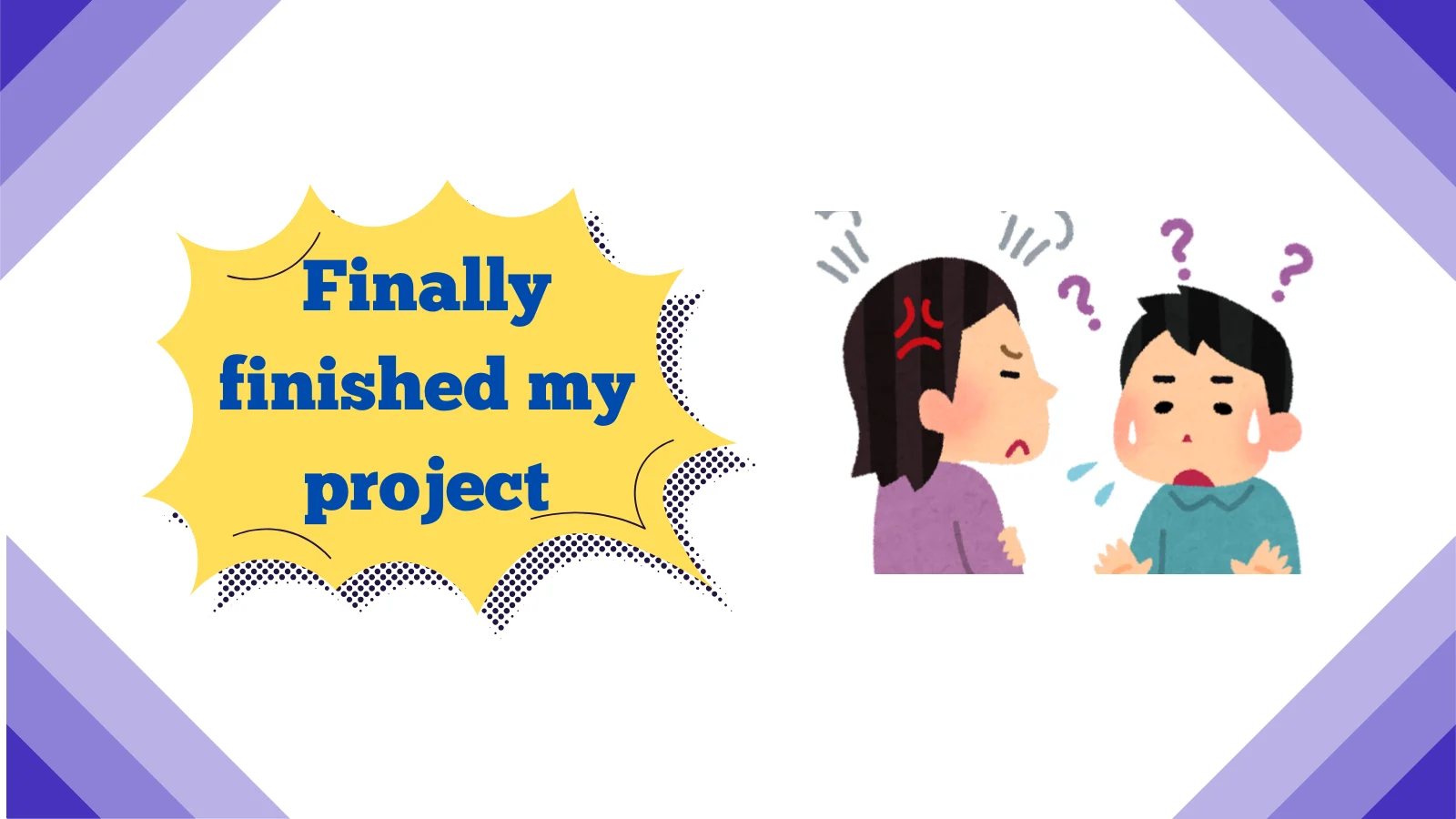
- “I-I-I finally finished my project! 🎉”
These examples highlight how repetition can convey emotion, mimic speech patterns, and make texts feel more authentic.
Common Mistakes or Misunderstandings
Even though stuttering is fun to use, people often misuse it:
- Overdoing Repetition:
“I-I-I-I-I-I-I…” can look messy and annoying. Keep it short. - Wrong Context:
Using stuttering in formal chats or professional emails is a no-go. - Confusing with Typos:
Not all repeated letters are stuttering. For example, “cooool” usually just emphasizes excitement, not hesitation.
Related Slangs or Abbreviations
If you like using stuttering, you’ll also encounter these related terms:
- T-T-T-Typo: Mimics nervousness while correcting a mistake.
- H-H-Huh: Expressing confusion or disbelief.
- S-so: Hesitation at the start of a sentence, often in awkward situations.
- Emojis & GIFs: Often used alongside stuttering to amplify the emotional effect.
How Stuttering Fits Into Modern Online Culture
Stuttering is more than just a writing quirk; it’s a tool for connection. People use it to:
- Make text conversations feel realistic and human.
- Convey emotional nuance that plain words might miss.
- Add a dramatic or comedic flair to memes and social media posts.
Where You’ll See It Most:
- TikTok comments and captions
- Discord and Twitch chats
- Twitter/X threads
- WhatsApp, iMessage, and Instagram DMs
By 2026, stuttering has become a mainstream part of digital storytelling, making online chats more relatable and expressive.
FAQs About Stuttering Meaning
- Q: Is stuttering in text the same as a speech disorder?
A: No, in texting, it’s a stylistic choice to show emotion, not an actual speech condition. - Q: Can I use stuttering in professional messages?
A: It’s best avoided in formal or work-related contexts. Stick to casual conversations. - Q: How many letters should I repeat?
A: Usually 2–3 letters or syllables; overdoing it looks messy. - Q: Is stuttering used globally online?
A: Yes! It’s popular in English-speaking communities and increasingly recognized worldwide. - Q: Can stuttering be combined with emojis?
A: Absolutely. Emojis help amplify the emotion you’re expressing. - Q: What’s the difference between stuttering and letter emphasis?
A: Stuttering repeats initial letters to mimic speech; emphasis stretches letters for intensity (“sooo excited”). - Q: Does stuttering have any slang alternatives?
A: Yes, similar expressions include “b-but,” “I-I-I,” and “s-so,” often paired with humor or suspense. - Q: How do I know when stuttering is appropriate?
A: Use it when you want to show nervousness, excitement, or comedic hesitation in casual chats.
Conclusion
Understanding stuttering meaning in 2026 isn’t just about knowing a word it’s about grasping the emotional language of digital communication.
From expressing excitement to showing nervous hesitation, stuttering adds personality and real ability to your texts.
Next time you type “I-I-I can’t believe it!” in a group chat or comment, you’ll know it’s not just a random repetition it’s a way to connect, amuse, and communicate more authentically.
Leave a Reply