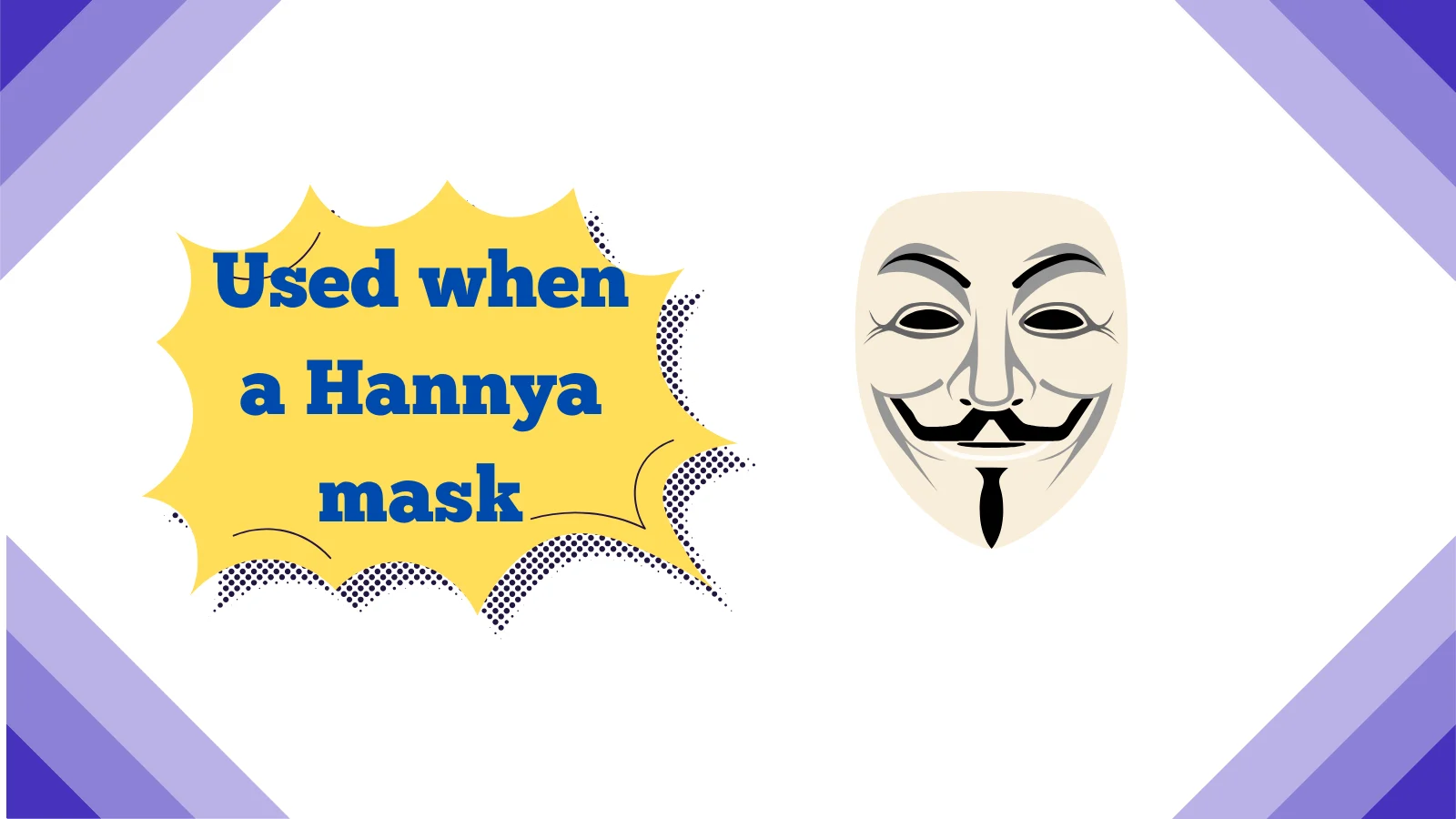
Updated for 2026: If you’ve ever seen a striking mask with sharp horns, bulging eyes, and a wicked smile in memes, online chats, or social media posts, you might have wondered what exactly is a Hannya mask, and why are people using it in texting?
In this guide, we’ll break down the Hannya mask meaning, its origin, how it’s used in modern conversations, and why it’s trending in digital culture today.
Understanding this symbol isn’t just about knowing a piece of Japanese culture it’s also about decoding subtle emotions and vibes people share online.
Whether you’re texting a friend, posting on TikTok, or commenting in forums, knowing this can make your digital communication more expressive and fun.
What Does “Hannya Mask” Mean? (Definition & Origin)
The Hannya mask comes from traditional Japanese Noh theater. Here’s a quick breakdown:
- Origin: It represents a female demon consumed by rage, jealousy, or obsession.
- Appearance: Sharp horns, metallic eyes, and a twisted, haunting smile. Some versions look terrifying, while others are slightly more elegant.
- Symbolism: It’s not just evilastm-meaning it’s complex emotions personified: betrayal, heartbreak, obsession, and transformation.
Fun Fact: In Japan, the mask is sometimes used as a protective charm to ward off evil spirits. In online culture, it’s become a way to convey intense emotions or dramatic vibes in chats, memes, and social media posts.
Think of it as the ultimate emoji for “I’m feeling complicated emotions right now” but in a bold, visually striking form.
How to Use “Hannya Mask” in Texts or Chat
So, how does this centuries-old mask make its way into modern texting? Here’s the scoop:
- Expressing Drama or Intensity: Someone might send a Hannya mask emoji or GIF when joking about jealousy or betrayal.
- Memes & Reactions: It’s widely used in memes to represent “inner rage” or “that one toxic friend vibe.”
- Username or Profile Pics: People love adding a Hannya mask to their avatars for a mysterious or edgy persona.
- Aesthetic Posts: On TikTok, Instagram, or Discord, Hannya masks appear in posts about Japanese culture, cosplay, or horror aesthetics.
Pro Tip: When using it in chats, context matters. It works best when paired with emotions that are intense, ironic, or dramatic, not casual greetings.
Examples of “Hannya Mask” in Conversations
Here are a few relatable examples you might encounter in texts or online forums:
- Jealousy:
Friend 1: “She got the promotion over you?”
Friend 2: “Yep… 😈 (insert Hannya mask GIF)” - Inner Rage:
Group Chat: “When someone eats your leftover sushi…”
You: “Hannya mask face activated” - Funny Drama:
Friend: “I accidentally replied-all to the office email 😭”
You: “Classic! Hannya mask energy” - Edgy Persona:
Username: “HannyaQueen” – Signals mystery, power, and a dramatic flair online.
These examples show how the Hannya mask meaning has evolved from a literal theater symbol to a digital expression of mood and personality.
Common Mistakes or Misunderstandings
When using Hannya mask references, beginners often make mistakes like:
- Confusing it with generic demon emojis: The Hannya mask has cultural depth don’t use it randomly without context.
- Overusing it: A little drama goes a long way. Overusing makes it lose impact.
- Misinterpreting the emotion: It’s not always anger—sometimes it’s sadness, jealousy, or ironic intensity.
Quick Tip: Always pair it with context clues (GIFs, text, emojis) so your chat partner gets the vibe.
Related Slangs or Abbreviations
The Hannya mask connects with other internet slang and emoji-based expressions:
- Mood emojis: 😈, 😡, 😭, 🫠 – Express intense emotions online.
- Aesthetic abbreviations:
- Vibe check: Used when a Hannya mask is part of a dramatic or edgy aesthetic.
- Dramatic energy: Sometimes shortened to “DE” in meme contexts.
- Japanese culture references: Oni (demon), Yurei (ghost), Kabuki masks.
Knowing these makes you fluent in both meme culture and text-based emotional cues.
FAQs About Hannya Mask Meaning
- What does a Hannya mask symbolize in texting?
It conveys jealousy, rage, or dramatic vibes, often used humorously or ironically. - Is it okay to use Hannya masks in casual chats?
Yes, but context is key use it for dramatic or ironic situations. - Can Hannya mask represent positive emotions?
Rarely, but it can symbolize transformation or self-empowerment in some memes. - Where is the Hannya mask most popular online?
TikTok, Discord, Instagram, meme pages, and chat forums. - What’s the difference between a Hannya mask and a demon emoji?
The Hannya mask has cultural depth and a specific emotional nuance; a demon emoji is more generic. - Are Hannya masks offensive to use?
Generally not, as long as you respect its cultural origin and avoid mocking Japanese traditions. - Can I use Hannya masks in memes?
Absolutely! It’s widely used to exaggerate drama or funny reactions. - Is Hannya mask meaning the same in Japan and online?
Not exactly online use is more playful and expressive, whereas in Japan it has deep theatrical and symbolic roots.
Conclusion
The Hannya mask meaning has transformed from a classical Japanese theater symbol into a versatile expression in texting, memes, and online culture.
It conveys jealousy, rage, drama, and intensity, making it a fun tool to add flavor to conversations and posts.
By understanding its origins, proper usage, and common pitfalls, you can use the Hannya mask creatively and respectfully in your chats.
Leave a Reply