Ever seen “FLSA exempt” pop up in a text, chat, or even a work email and wondered what it really means?
You’re not alone. In today’s fast-paced messaging culture, abbreviations and acronyms like this aren’t just workplace jargon they often sneak into informal texts, social media threads, or online forums.
Understanding FLSA exempt meaning is not only important for HR pros or employees navigating their paychecks but also for anyone who wants to decode modern workplace shorthand in texts or casual chats.
This updated 2026 guide will break it down in a fun, relatable way no legal jargon overload, promise.
What Does “FLSA Exempt” Mean? (Definition & Origin)
FLSA stands for the Fair Labor Standards Act, a U.S. labor law that sets minimum wage, overtime pay, and work-hour regulations.
When someone is “FLSA exempt,” it means:
- They are exempt from overtime pay requirements under FLSA rules.
- Typically, these are salaried employees with certain types of job duties (like executive, administrative, or professional roles).
- Being “exempt” doesn’t mean they’re free to work unlimited hours—it’s about overtime pay eligibility.
Origin:
The term comes directly from U.S. labor law, but in recent years, it has appeared in online forums, HR chat groups, and even casual texting when someone wants to flex their “work rules knowledge” or discuss pay structures.
How to Use “FLSA Exempt” in Texts or Chat
Texting isn’t just about “LOL” or “BRB.” Sometimes, people drop work-related abbreviations like FLSA exempt in chat to convey:
- Their job status
- Whether they get paid overtime
- Professional frustration or bragging rights
Example scenarios:
- Casual chat with coworkers:
- “Ugh, still at the office… guess I’m FLSA exempt 😩”
(Signals working late but no overtime pay)
- “Ugh, still at the office… guess I’m FLSA exempt 😩”
- On professional Slack channels:
- “Reminder: Project leads are FLSA exempt, so no OT unless approved.”
- In text threads about work-life balance:
- “My FLSA exempt status means I gotta clock insane hours, smh.”
Notice how it blends workplace reality with modern texting tone, often accompanied by emojis or slang.
Examples of “FLSA Exempt” in Conversations
To make it even more relatable, here are fun, real-life style examples you might see online or in texts:
- Example 1 – Work Chat:
“Hey, just a heads up, since you’re FLSA exempt, your overtime hours won’t show on payroll.” - Example 2 – Casual Text:
“I’m staying late again 😭 FLSA exempt life 😎” - Example 3 – Social Media Post:
“Counting down to 5 PM like… but I’m FLSA exempt so no OT. #Adulting” - Example 4 – Forum Discussion:
“Can someone explain if being FLSA exempt affects bonuses? Asking for a friend 😅”
These examples show how an official term can migrate into everyday online conversations.
Common Mistakes or Misunderstandings
People often confuse FLSA exempt meaning with:
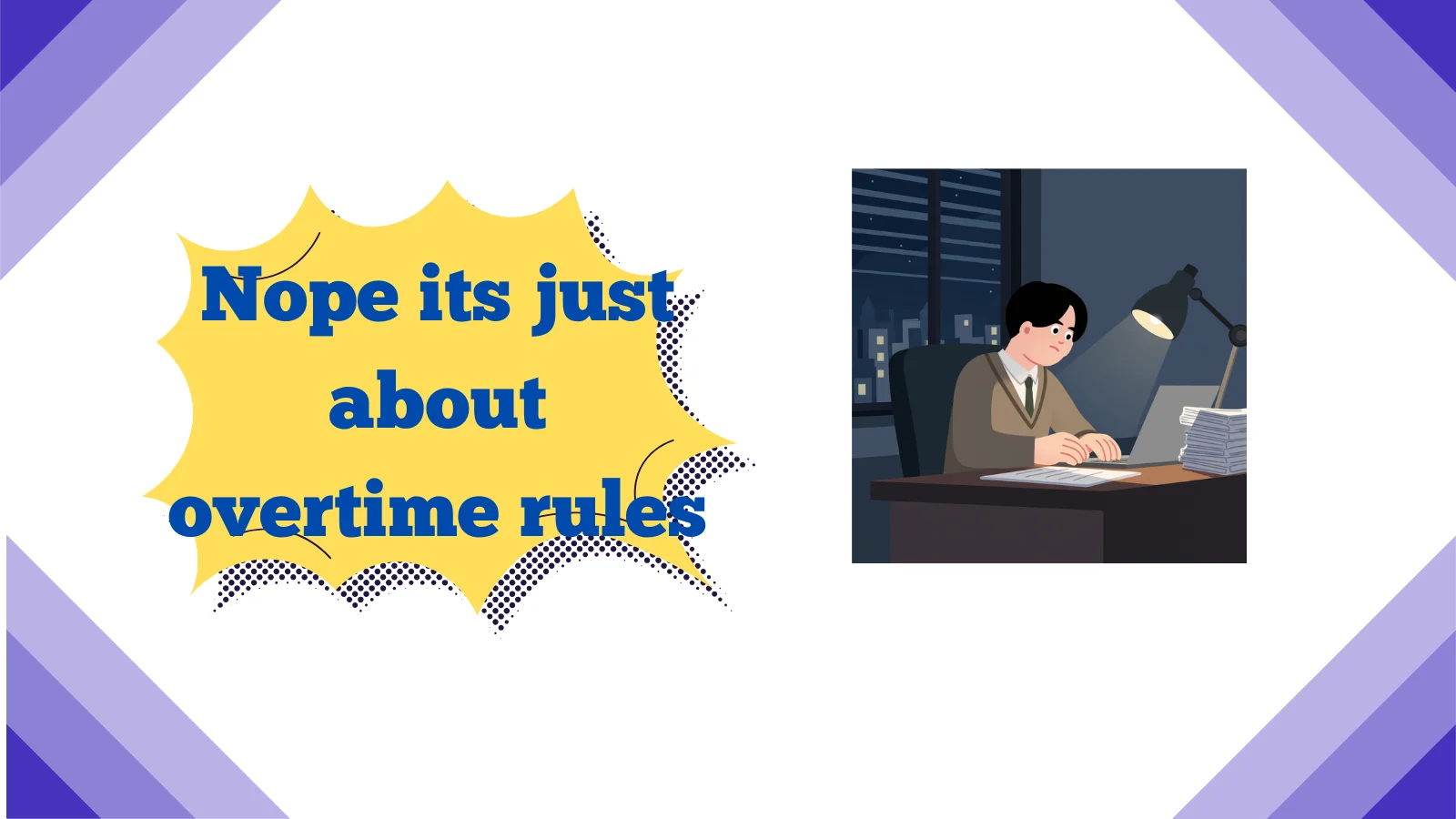
- Being unemployed or underpaid → Nope, it’s just about overtime rules.
- Exempt from all work rules → Wrong! You still follow company policies.
- Job title vs. FLSA status → Your title doesn’t always equal exempt status.
Quick Tip: Always check both your job duties and salary level to confirm if you’re truly exempt.
Related Slangs or Abbreviations
Since the modern chat world loves abbreviations, here are some related terms you might see in texts or forums:
- OT → Overtime (often contrasted with FLSA exempt)
- Non-exempt → Employees eligible for overtime pay
- WFH → Work From Home (context for exempt discussions)
- HR → Human Resources
- FML → For when your FLSA exempt status keeps you working crazy hours 😅
Using these together can make texts or Slack messages feel authentically modern and professional-casual.
Why Understanding “FLSA Exempt” Matters in Texting Culture
Even though it sounds “corporate,” FLSA exempt meaning pops up in chats because:
- People joke about working long hours without OT
- It’s shorthand for job privileges or restrictions
- Sharing this knowledge online signals professional credibility
Plus, it’s a way to blend formal work language into casual messaging, a trend that’s only growing in 2026.
7–8 FAQs About FLSA Exempt
- Q: Is FLSA exempt the same as salaried?
A: Usually yes, but not all salaried employees are exempt—duties matter too. - Q: Can FLSA exempt employees earn overtime?
A: Typically no, unless company policy provides extra pay. - Q: Is FLSA exempt a texting abbreviation?
A: Not originally, but it’s used in chats, forums, and Slack for brevity. - Q: How can I tell if I’m FLSA exempt?
A: Check your job duties, salary level, and HR guidelines. - Q: Can someone be partially exempt?
A: Nope, it’s a legal status—either exempt or non-exempt. - Q: Why do people use it in texts?
A: To joke, complain, or brag about work rules in a casual way. - Q: Is it relevant outside the U.S.?
A: Rarely. FLSA is a U.S. law, though the concept appears in global HR chats. - Q: Can being FLSA exempt affect work-life balance?
A: Definitely! Exempt employees often work long hours without overtime pay.
Conclusion
In short, FLSA exempt meaning is all about overtime eligibility under U.S. labor law.
While it may sound purely legal, in 2026 it’s become a fun, sometimes ironic shorthand in texts, chats, and online forums.
Understanding it helps you decode both workplace policies and the memes/jokes that go along with them.
Whether you’re venting about late nights or sharing HR tips in Slack, knowing what FLSA exempt stands for can save confusion and maybe earn a few laughs.
Leave a Reply