Author: kamiseo652@gmail.com

  • Retail Associate Meaning Secrets Every Shopper Must Know

    Retail Associate Meaning Secrets Every Shopper Must Know

    Have you ever been texting with friends or scrolling through social media and stumbled across “FNL”?

    You paused, stared, and wondered, “What does FNL mean?” You’re not alone! Abbreviations like this pop up everywhere in texts, chats, forums, and social media, and understanding them can save you from confusion or worse, sending a reply that makes no sense.

    In this guide, we’ll break down FNL meaning, show you real-life examples, explain common mistakes, and even give tips on using it like a pro.

    Whether you’re texting friends, participating in online communities, or just trying to stay in the loop, this article will make sure you’re fluent in modern chat language in 2026.


    What Does “FNL” Mean? (Definition & Origin) 🧐

    FNL is an abbreviation used primarily in online chats, texting, and social media. Depending on context, it can have a few different meanings, but the most common ones are:

    1. Friday Night Live – Often used to refer to events, parties, or live online streams happening on Friday night.
    2. For No Loss – Used in gaming or casual online conversations to indicate something done with zero loss or risk.
    3. Fun Night Life – In informal texting, it can describe a fun or exciting evening.

    Pro tip: Context is everything. The exact meaning depends on who you’re chatting with and where you see it. Social media trends often dictate the dominant usage at any given time.

    Origin of FNL

    • Internet slang roots: FNL started circulating in forums and chatrooms in the early 2010s.
    • Social media boom: Platforms like Twitter, Discord, and Snapchat popularized it, particularly as people wanted short ways to describe weekend plans or gaming outcomes.
    • Gaming influence: In competitive gaming communities, abbreviations like FNL (“For No Loss”) became shorthand for efficiency or success.

    How to Use “FNL” in Texts or Chat 💬

    Using FNL correctly is easy once you know the context. Here are practical ways to include it in your messages:

    1. Talking About Plans

    If you’re making weekend plans with friends:

    • “Can’t wait for FNL at Jake’s place! 🎉”
    • “FNL vibes are the best. Who’s coming?”

    2. Gaming or Competitive Chats

    Gamers often use it to brag about winning without any setbacks:

    • “Pulled off that raid FNL! 💪”
    • “We finished the challenge FNL, GG everyone!”

    3. Social Media Posts

    When posting online, you can use it as a hashtag or caption:

    • “#FNL energy all night long 🔥”
    • “Ready for some FNL action with the squad!”

    Quick tip: Avoid overusing FNL in professional chats—it’s casual slang, best reserved for social media, gaming, and friendly texts.


    Examples of “FNL” in Conversations ✨

    Here are some real-life examples to give you a sense of how FNL is used naturally:

    Scenario 1: Texting friends about Friday plans

    • Friend 1: “What’s the plan tonight?”
    • Friend 2: “Nothing much, just some FNL fun 😎”

    Scenario 2: Gaming group chat

    • Player 1: “We need to beat this boss without dying.”
    • Player 2: “Easy, we got it FNL!”

    Scenario 3: Social media post

    • Tweet: “The squad pulled off an epic FNL! #FridayNightLive”

    Notice how the meaning adjusts depending on context. Being aware of this will make you look like a texting pro.


    Common Mistakes or Misunderstandings ⚠️

    Even seasoned texters sometimes misinterpret FNL. Here are pitfalls to avoid:

    1. Assuming only one meaning: Remember, FNL can be Friday Night Live, For No Loss, or Fun Night Life. Always check context.
    2. Overuse in professional texts: Using FNL in emails or LinkedIn messages can come off as unprofessional.
    3. Confusing with other acronyms: Don’t mix it up with NFL (National Football League) or FML (F* My Life)**—both are very different.

    Related Slangs or Abbreviations 🔗

    If you’re diving into chat abbreviations, FNL often pops up alongside:

    • TGIF – Thank God It’s Friday
    • BRB – Be Right Back
    • LOL – Laugh Out Loud
    • OOTD – Outfit of the Day (used in social media context)
    • GG – Good Game (popular in gaming)

    Learning these together makes you fluent in the language of 2026’s texts and online chats.


    Tips to Use FNL Like a Pro 🏆

    • Check the context: Is it a gaming chat, social media post, or text with friends?
    • Pair with emojis: 🎉😎💪 enhance readability and fun.
    • Don’t overcomplicate: Keep it casual—slang works best when natural.
    • Stay updated: Slang evolves fast. What FNL meant in 2020 might have a new twist in 2026.

    FAQs About FNL ❓

    1. What does FNL stand for in texting?
      It can mean Friday Night Live, For No Loss, or Fun Night Life depending on context.
    2. Is FNL used in professional communication?
      Not usually. It’s casual slang meant for friends, social media, and gaming.
    3. Can FNL have other meanings?
      Yes, slang evolves, so watch social media trends for new interpretations.
    4. How do I know which meaning applies?
      Look at the context—time, topic, and platform all give clues.
    5. Is FNL a new abbreviation?
      It’s been around for a decade but has grown more popular online recently, especially in 2026.
    6. Can I use FNL in a tweet?
      Absolutely! Pairing it with hashtags and emojis increases engagement.
    7. Does FNL have a negative meaning?
      Not usually. It’s generally positive or neutral, used to describe fun or success.
    8. Are there similar abbreviations I should know?
      TGIF, GG, BRB, and OOTD are often used alongside FNL in chats.

    Conclusion 🎯

    FNL is a versatile and trendy abbreviation that keeps popping up in texting, social media, and gaming chats.

    Whether it’s Friday Night Live, For No Loss, or Fun Night Life, understanding the context is key to using it correctly.

    By following this guide, you can confidently use FNL in conversations, impress your friends, and stay up-to-date with the latest slang trends in 2026.

    Remember, modern chat language evolves quickly, so keeping an eye on trends ensures you’re always fluent.
  • The Ultimate Guide to Villain Meaning That Thrills Readers

    The Ultimate Guide to Villain Meaning That Thrills Readers

    Texting and online chats have created a whole new language full of abbreviations, slang, and playful twists.

    Whether you’re scrolling TikTok comments, DMing a friend, or hopping on Discord, certain words have taken on fresh meanings. One such word is “villain.”

    Understanding what villain means in chat and texting isn’t just fun it can help you keep up with online conversations, avoid misunderstandings, and even spice up your replies.

    Let’s dive into what this word really means in 2026 texting culture, how to use it correctly, and how it’s shaping modern slang.


    What Does “Villain” Mean? (Definition & Origin)

    In traditional terms, a villain is the bad guy in movies, books, or stories—the one causing chaos or trouble. But online and in texting, the term has evolved.

    Chat Definition (2026)

    • Villain (slang): A person who playfully or jokingly breaks the rules, teases others, or acts mischievously in a charming or cheeky way.
    • Context: Often used humorously or flirtatiously in DMs, gaming chats, or social media threads.

    Origins

    • Borrowed from classic storytelling (“hero vs villain”)
    • Became popular in memes and TikTok culture around 2022–2023
    • Now widely used to describe someone who’s teasing, sly, or playfully naughty

    Pro Tip: Don’t confuse this with someone actually being mean they’re usually being playfully villainous.


    How to Use “Villain” in Texts or Chat

    Using villain correctly can make you sound witty and in-the-know. Here’s how:

    1. Playful Teasing:
      • Example: “You ate the last slice of pizza? What a villain 😏”
    2. Flirtatious Banter:
      • Example: “Stop being a villain, you’re making me blush 😅”
    3. Highlight Mischief:
      • Example: “Posting spoilers again? You little villain 😈”

    Tips for Usage

    • Add emojis for tone—it helps the recipient know you’re joking
    • Avoid using it for serious offenses; context matters
    • Combine with playful adjectives for maximum effect

    Examples of “Villain” in Conversations

    Here’s how villain appears in modern texting scenarios:

    • Friend Group Chat: “I finished your fries… sorry, villain energy activated 🍟”
    • TikTok Comment: “This hack is too good… you’re a villain for sharing it 😏”
    • Gaming Chat: “Camping in the base again? Total villain move, lol”

    Notice the playful tone and humor—it’s never literal evil.


    Common Mistakes or Misunderstandings

    Even seasoned texters sometimes misuse villain. Avoid these:

    1. Calling someone a villain in anger – this can be misunderstood as serious offense
    2. Overusing the term – like any slang, it loses charm if spammed
    3. Ignoring context – not every playful act deserves the “villain” label

    Quick Tip: If you’re unsure, pair it with an emoji 😏 or 😈 for clarity.


    Related Slangs or Abbreviations

    If you like using villain, you might enjoy these trending chat terms:

    • Sus – suspicious or shady behavior
    • Snack – someone looking attractive or appealing
    • Cheeky – playful, slightly mischievous
    • Fnl – shorthand for “finally” (common in casual chats)

    FNL Meaning in Texts (Short Bonus Section)

    Since fnl sometimes appears alongside playful slang, here’s the lowdown:

    • FNL = Finally
    • Usage in chat: Celebrating something long-awaited
      • “Fnl done with exams 🎉”
      • “Fnl someone understands my memes 😂”

    It’s perfect for texting, social media captions, or quick responses when excitement peaks.

    Tip: Keep it lowercase or uppercase depending on the chat tone.


    FAQs About “Villain” and Chat Usage

    1. Can I call someone a villain without offending them?
    Yes, if the tone is playful and paired with emojis 😏😈.

    2. Is villain only for young people online?
    No, anyone active in online chat culture can use it.

    3. Can villain be used romantically?
    Absolutely! Flirtatious banter often uses villain humorously.

    4. Is villain the same as a bad person?
    Not usually—it’s playful, not literal.

    5. Where is villain most used online?
    TikTok comments, Discord, Instagram DMs, and group chats.

    6. What’s the difference between villain and sus?
    Villain is playful mischief; sus is suspicion or shady behavior.

    7. Can I mix villain with other slang?
    Yes! For example: “You’re a villain but also a total snack 😏”.

    8. Is fnl commonly used outside texting?
    Mostly in casual messaging and social media captions.


    Conclusion

    Understanding the villain meaning in texts is a fun way to keep up with modern slang.

    Whether you’re teasing a friend, flirting, or just spicing up your online chat, villain adds playful, mischievous energy.

    Paired with emojis and the right context, it can make conversations far more engaging.

    Don’t forget fnl, a simple but expressive shorthand for excitement or relief. Combined, these terms help you communicate naturally in 2026’s fast-paced chat culture

  • Discover the Hidden Vault Meaning You Never Knew

    Discover the Hidden Vault Meaning You Never Knew

    In today’s fast-paced digital world, text abbreviations and internet slang are a language of their own.

    Whether you’re scrolling through Discord, texting friends, or posting on Twitter, understanding these terms is crucial to staying in the loop.

    Two abbreviations you might encounter are “vault” and “fnl”.

    If you’ve ever scratched your head seeing them pop up in chats, you’re not alone!

    This guide breaks down the vault meaning and fnl meaning, shows you how to use them correctly, and gives real-life examples so you can text confidently in 2026.


    What Does “Vault” Mean? (Definition & Origin)

    Vault has a few different meanings depending on context:

    1. Traditional meaning – A vault is literally a secure room or storage space, often for money, valuables, or important documents.
    2. Texting/chat meaning – In online chats, vault often refers to a hidden storage of information or content. For example, a person might say: “I put all my meme pics in the vault so no one steals them.”
    3. Gaming/tech slang – In games like Fortnite or Among Us, “vault” can mean an area or a stash of items players keep safe.

    Origin: The texting slang comes from the real-life idea of a secure space. Over time, users adopted it for digital “storage” — from saved messages to hidden collections of media.

    Key takeaway: When someone mentions a vault in a chat, they’re usually talking about a private or secure collection, not the architectural structure.


    How to Use “Vault” in Texts or Chat

    Using vault correctly makes your messages sound natural rather than awkward. Here are some scenarios:

    • Social media posts: “Just updated my photo vault 😎✨ #secretstash”
    • Group chats: “I’m putting my new song links in the vault for later.”
    • Gaming context: “Loot the vault before anyone else finds it!”

    Tips:

    • Use vault when referring to hidden, private, or protected content.
    • Don’t confuse it with generic storage; the vibe is more exclusive or secretive.

    Examples of “Vault” in Conversations

    Here are some real-life relatable examples:

    1. Friend chat:
      • Alex: “Where did you get that funny pic?”
      • Jamie: “From my vault 😏”
    2. Gaming chat:
      • “Grab the loot from the vault before it despawns!”
    3. Social media:
      • “Throwback Thursday: pics from my vault 📸”

    Notice how the meaning shifts slightly depending on context. In social media, it’s playful; in gaming, it’s strategic.


    Common Mistakes or Misunderstandings

    Many people misuse vault because they don’t realize it implies hidden or protected content. Here’s what to avoid:

    • ❌ “I put my homework in the vault” — unless your friend understands you mean “secret folder,” it may confuse them.
    • ❌ Using vault interchangeably with “folder” — a folder can be public; a vault implies privacy.
    • ❌ Assuming everyone knows it — new users may take it literally, so context is key.

    Pro Tip: If your chat audience is younger and meme-savvy, they’ll get it. Otherwise, clarify by saying “vault (my secret stash).”


    Related Slangs or Abbreviations for “Vault”

    If you like vault, you might also see:

    • Stash – a hidden collection of anything
    • Archive – saved content, usually old messages or files
    • Locker – often used in gaming, similar to vault
    • DM vault – private messages saved for reference

    These variations often pop up together in social media or gaming forums.


    What Does “FNL” Mean? (Definition & Origin)

    FNL is another abbreviation that’s trending in chats and online communities.

    1. Texting meaning: FNL = Friday Night Live or For No Reason, depending on context.
    2. Origin: Internet users love shortening phrases. “FNL” first became popular in event announcements like concerts or livestreams and later evolved into casual texting.

    Key takeaway: The meaning depends on context, so always look at surrounding messages.


    How to Use “FNL” in Texts or Chat

    Here’s how FNL is typically used:

    • Event or streaming context: “Can’t wait for FNL! Who’s joining the livestream?”
    • Casual texting (For No Reason): “I’m texting you FNL 😜 just felt like it.”
    • Social media posts: “FNL vibes only 🎉 #weekendmode”

    Tips:

    • Determine meaning by context (event vs casual).
    • Capitalization often signals “Friday Night Live” while lowercase or casual tone signals “for no reason.”

    Examples of “FNL” in Conversations

    1. Friend chat:
      • Sam: “Why are you sending memes?”
      • Taylor: “FNL lol 😆” (For No Reason)
    2. Social media event post:
      • “Join us for FNL at 8 PM! Live DJ sets and giveaways!”
    3. Group chat:
      • “Who’s free this FNL? Let’s hang out.”

    Common Mistakes or Misunderstandings for “FNL”

    • Confusing FNL with Friday Night Live when someone means For No Reason.
    • Using it in professional chats — this slang is casual and works best with friends.
    • Not giving context — newcomers may be lost.

    Pro Tip: When in doubt, clarify:

    “FNL (Friday Night Live) stream is tonight!”


    Related Slangs or Abbreviations for “FNL”

    • FNM – Friday Night Magic (popular in gaming)
    • FYI – For Your Information
    • BRB – Be Right Back
    • ICYMI – In Case You Missed It

    These abbreviations are common in 2026 texting culture and help your messages flow naturally.


    FAQs About Vault & FNL Meaning

    1. Q: Can “vault” mean anything other than hidden content?
      A: Yes, in gaming or traditional contexts it can literally mean a secure room or storage.
    2. Q: Is “FNL” always “Friday Night Live”?
      A: No, it can also mean “For No Reason” depending on context.
    3. Q: Can I use “vault” in professional messages?
      A: Usually not — it’s casual slang best for friends or social media.
    4. Q: Are “vault” and “stash” interchangeable?
      A: Often, but vault implies extra security or privacy.
    5. Q: How do I know which meaning of FNL is correct?
      A: Look at context — event posts usually mean Friday Night Live, casual messages usually mean For No Reason.
    6. Q: Is “vault” trending in 2026?
      A: Yes, especially on Instagram, Discord, and gaming communities.
    7. Q: Can FNL be used in texting memes?
      A: Absolutely! Meme culture loves “FNL” for both meanings.
    8. Q: Do I need to explain these abbreviations to younger audiences?
      A: Not usually — Gen Z and Millennials often already understand them.

    Conclusion

    Understanding vault and FNL is essential if you want to stay fluent in modern texting and chat culture.

    Vault is all about hidden or protected content, while FNL can be playful, meaning either Friday Night Live or For No Reason depending on context.

    Using these abbreviations correctly can make your texts more relatable, concise, and up-to-date for 2026.

    Whether you’re sharing memes, organizing your secret photo stash, or chatting about weekend events, knowing the proper use will save you from confusion and make your messages shine

  • Discover the Shocking Affiliation Meaning Everyone Misses

    Discover the Shocking Affiliation Meaning Everyone Misses

    If you’ve been scrolling through chats, social media DMs, or online forums recently, you might have stumbled across “FNL” and wondered what it actually means.

    Understanding modern texting abbreviations like FNL isn’t just fun it’s essential for keeping up with internet culture and avoiding embarrassing misunderstandings.

    Whether you’re texting friends, posting online, or joining a forum, knowing what FNL stands for can make your messages clearer and more relatable.

    Updated for 2026, this guide breaks down everything you need to know about FNL, from definitions to real-life examples.


    What Does “FNL” Mean? (Definition & Origin)

    FNL is a popular abbreviation in online chats and text messages. Depending on the context, it usually stands for:

    • Friday Night Live – Often used in gaming communities, live streaming announcements, or social media posts about weekend plans.
    • For No Reason / For the LOLs – A more casual, playful use in texting, indicating something done randomly or just for fun.
    • Friday Night Lights – A reference to the TV show, movie, or sports commentary, particularly in fan communities.

    The abbreviation emerged from the rise of internet shorthand in forums and messaging apps, aiming to save time while typing. It gained traction in gaming communities, Twitter threads, Discord chats, and TikTok comments, especially among younger audiences who prefer quick, snappy communication.

    Pro Tip: Context is everything—your FNL meaning could vary depending on whether you’re chatting with gamers, sports fans, or social media friends.


    How to Use “FNL” in Texts or Chat

    Using FNL correctly is easier than it seems once you understand the context. Here’s how:

    1. Social Media Posts

    • “Can’t wait for FNL tonight 😎 #weekendvibes”
      Here, FNL = Friday Night Live or a casual reference to fun Friday plans.

    2. Gaming Communities

    • “Join us for FNL streams at 8 PM!”
      Streamers often use FNL to promote live sessions or special events.

    3. Casual Texts

    • “I just did a dance FNL 😂”
      In this case, it can mean For No Reason, implying spontaneous fun.

    4. Fan Discussions

    • “FNL was such a throwback episode! 😭”
      Sports or TV fans might use FNL as shorthand for Friday Night Lights.

    Quick Tips for Proper Use:

    • Avoid using FNL in professional emails—it’s purely casual slang.
    • Pair it with emojis to give your meaning extra context.
    • If you’re unsure your friend knows the meaning, consider clarifying first.

    Examples of “FNL” in Conversations

    Here are some real-life usage scenarios:

    Scenario 1: Weekend Fun

    • Alex: “What’s up for FNL?”
    • Jordan: “Movie night at mine, bring popcorn 🍿”
      (FNL = Friday Night Live or plans for Friday night)

    Scenario 2: Random Fun

    • Sam: “I just painted my cat FNL 😂”
    • Riley: “Why tho?”
      (FNL = For No Reason, just being silly)

    Scenario 3: Fan Chat

    • Taylor: “Did you watch FNL last night?”
    • Morgan: “Yes! That last scene was epic 😭”
      (FNL = Friday Night Lights)

    These examples show that FNL is versatile but heavily context-dependent. Recognizing the tone of the conversation is key to decoding it correctly.


    Common Mistakes or Misunderstandings

    Even experienced texters can misinterpret FNL. Here’s what to watch out for:

    • Confusing meanings: Don’t assume FNL always refers to Friday Night Live; check context.
    • Overuse: Using FNL in every message can feel forced or confusing.
    • Professional settings: Avoid using FNL in emails, LinkedIn chats, or work-related communication.
    • Cross-cultural differences: Some communities may not recognize the abbreviation, so clarify if needed.

    Related Slangs or Abbreviations

    Knowing FNL is easier when you’re familiar with other common texting shorthand:

    • BRB = Be Right Back
    • TTYL = Talk To You Later
    • SMH = Shaking My Head
    • ICYMI = In Case You Missed It
    • OOTD = Outfit of the Day

    Pairing FNL with these abbreviations can make your texts trendy, readable, and fun.


    Why Understanding “FNL” Matters in 2026

    With the rise of TikTok, Discord, Instagram Reels, and AI-driven chats, internet slang evolves faster than ever. Misreading abbreviations like FNL can lead to confusion or social faux pas. By learning this abbreviation:

    • You stay relevant in online communities
    • You communicate faster and more effectively
    • You avoid misunderstandings while texting friends or posting online

    Pro Tip: Use FNL sparingly and only in casual contexts for maximum effect.


    FAQs About FNL

    1. What does FNL stand for in texting?
    It can mean Friday Night Live, For No Reason, or Friday Night Lights depending on context.

    2. Can FNL mean different things in different chats?
    Yes! Always check the tone and platform before assuming the meaning.

    3. Is FNL only used by teens?
    Not at all. While popular among younger users, FNL is recognized across various age groups online.

    4. Can I use FNL in professional chats?
    No, it’s strictly casual slang. Avoid it in professional communication.

    5. How do I know which FNL meaning applies?
    Look at context clues like emojis, topic, or platform.

    6. Is FNL trending in 2026?
    Yes, it remains popular in streaming, gaming, and social media posts.

    7. Are there similar abbreviations to FNL?
    Yes, like TGIF (Thank God It’s Friday) or LOL (Laugh Out Loud) for casual fun.

    8. Can FNL be used in memes?
    Absolutely! Memes often use FNL for humor or pop culture references.


    Conclusion

    Understanding FNL is your ticket to keeping up with modern texting and online chat culture.

    Whether you see it in a DM, a TikTok comment, or a Discord server, knowing its meanings Friday Night Live, For No Reason, or Friday Night Lights will help you respond correctly and join the conversation confidently.

    Remember: context is everything, emojis can clarify your meaning, and casual slang like FNL is best used in friendly, informal chats

  • The Ultimate Guide to Heed Meaning You Can’t Ignore

    The Ultimate Guide to Heed Meaning You Can’t Ignore

    In today’s fast-paced texting and online chatting world, abbreviations and slang are everywhere.

    One term you might have seen popping up in DMs, social media posts, or online forums is “fnl.”

    But what does it mean, and how should you use it correctly?

    Understanding these abbreviations is more than just keeping up with trends it helps you communicate clearly, avoid misunderstandings, and even fit in with online communities.

    In this article, we’ll break down “fnl meaning” in simple terms, show you real-life examples, common mistakes, and related abbreviations.

    By the end, you’ll be confident using fnl like a texting pro.


    What Does “FNL” Mean? (Definition & Origin)

    FNL is a text abbreviation that can have multiple interpretations depending on context. The most common meanings are:

    1. Friday Night Lights – Originally a TV show and movie reference, often used in fandom chats.
    2. Final – Frequently used in texting or social media to indicate the last item, last chance, or conclusion of something.
    3. For Next Level – Less common, mostly in gaming or motivational chats.

    Origins

    • Friday Night Lights (FNL) became popular in pop culture in the mid-2000s, referring to high school football dramas and related discussions.
    • Final/For Next Level usage is more recent, stemming from texting shorthand where users shorten words to save time.

    Pro Tip: Always check the context of the conversation—fnl meaning changes depending on the chat.


    How to Use “FNL” in Texts or Chat

    Using fnl correctly can make your messages look modern, concise, and “in-the-know.” Here’s how:

    1. To Say “Final”

    • When wrapping up a conversation or confirming the last version of something:
      • Here’s the fnl draft of the report. Let me know your thoughts!”
      • “FNL sale ends tonight, grab it before it’s gone!”

    2. As a Pop Culture Reference (Friday Night Lights)

    • Talking about the show or related events:
      • “Just started FNL again, can’t get over this season!”
      • “FNL episode 3 had me crying 😭”

    3. In Gaming or Motivational Contexts

    • Shortening phrases like “For Next Level”:
      • “Gonna grind fnl and unlock the new achievement”
      • “This fnl boss fight is tougher than I thought 😅”

    Key Tip: Pair fnl with emojis or context-specific words to make your meaning clear.


    Examples of “FNL” in Conversations

    Here are some realistic chat examples showing how fnl is used in 2026:

    Text Messaging

    • “Did you finish the fnl exam? I’m so nervous 😬” (Final exam)
    • “Can’t wait for fnl tonight! Movie night 🎬🍿” (Friday Night Lights or final plans)

    Social Media Comments

    • “FNL was lit! Best season yet 🔥”
    • “This is my fnl submission for the contest” (Final submission)

    Online Forums or Gaming Chats

    • “Gearing up for fnl raid, who’s in?” (For Next Level raid)
    • “FnL boss fight took me 3 hours lol”

    Common Mistakes or Misunderstandings

    Even experienced texters sometimes misinterpret fnl. Here’s what to watch out for:

    • Assuming one meaning only – Context matters. FnL could be “final” or “Friday Night Lights.”
    • Overusing without clarity – If your friend isn’t familiar with the abbreviation, they might get confused.
    • Wrong capitalization – While lowercase “fnl” is common in chats, FNL is often used for proper nouns (like the show).

    Tip: When in doubt, spell it out the first time in group chats, then shorten it later.


    Related Slangs or Abbreviations

    If you like fnl, you might also encounter these abbreviations:

    • TBT – Throwback Thursday
    • ICYMI – In Case You Missed It
    • BRB – Be Right Back
    • TL;DR – Too Long; Didn’t Read
    • SMH – Shaking My Head

    These are all part of the modern texting lexicon, making communication faster and more fun.


    Why Understanding “FNL” Matters

    Grasping abbreviations like fnl:

    • Keeps you in the loop with friends and online communities
    • Saves typing time in fast-paced chats
    • Helps you avoid embarrassing miscommunications
    • Makes your posts or messages trendier

    2026 Update: With AI chatbots, TikTok trends, and real-time social media, knowing current abbreviations like fnl ensures you’re never out of touch.


    FAQs About “FNL Meaning”

    1. What does fnl stand for in texting?
      • Most commonly, Final or Friday Night Lights, depending on context.
    2. Is fnl formal or casual?
      • It’s casual, used in texting, chats, social media, and online forums.
    3. Can fnl mean something else?
      • Yes, sometimes “For Next Level” in gaming or motivational chats.
    4. Should I use fnl in professional emails?
      • Generally no—it’s better suited for casual conversations.
    5. How do I know which fnl meaning to use?
      • Look at the context of the chat, topic, or group.
    6. Is fnl popular in 2026?
      • Yes! It’s trending in texts, Twitter/X, Discord, and gaming communities.
    7. Can fnl be used in hashtags?
      • Absolutely! Example: #FNLvibes #FinalRound
    8. Is fnl safe to use with all age groups?
      • Mostly yes, but younger audiences are more likely to understand shorthand meanings.

    Conclusion

    In 2026, abbreviations like fnl are a staple of online communication.

    Whether it means Final, references Friday Night Lights, or is a gaming shorthand like For Next Level, understanding context is key.

    Using fnl correctly makes your messages clear, trendy, and relatable.

    So next time you’re texting, posting, or chatting online, drop fnl confidently and keep up with modern slang.

    Share your favorite text abbreviation in the comments!

    You might start a new trend.

  • Unlock the Shocking Fop Meaning Everyone’s Talking About

    Unlock the Shocking Fop Meaning Everyone’s Talking About

    In the fast‑moving world of texting and online chat, abbreviations and slang come and go so quickly that even seasoned internet users can feel lost.

    You might be scrolling through Discord, TikTok comments, or a WhatsApp group when you suddenly see “fop” and wonder: Is this slang? An acronym? A typo?

    Understanding terms like fop matters because language evolves online, and knowing the meaning helps you communicate confidently, avoid misunderstandings, and stay in the loop with digital culture.

    While fop isn’t as ubiquitous as “LOL” or “BRB,” it does show up in contexts where tone and nuance matter — especially when people are playfully teasing each other or referencing historical styles.

    In this article, we’ll explain exactly what fop meaning is, where it comes from, and how to use it with examples that make sense in real conversations.


    What Does “FOP Meaning” Actually Stand For? (Definition & Origin)

    1. Historical Word — Not a Traditional Texting Abbreviation

    Contrary to many internet acronyms that are trimmed down for speed, “fop” isn’t originally a chat abbreviation — it’s a real English word with a history stretching back centuries.

    • Definition: A fop is traditionally a man who is excessively vain or overly concerned with his appearance and fashion.
    • Think of someone who fusses over every detail of their outfit, hair, and accessories sometimes to a humorous or exaggerated degree.
    • This usage goes back to Middle English, where it originally meant “foolish person” before adopting the fashion‑obsessed nuance.

    👉 Important note: In 2026 online slang contexts, fop is still primarily used with this original meaning rather than as a modern acronym like “LOL” or “IDK.” You won’t usually see it in acronym lists like Internet slang dictionaries because it’s more of a vocabulary word than a texting shorthand.


    How to Use “Fop” in Texts or Chat

    Even though fop isn’t a widely used texting abbreviation, people sometimes drop it into conversation or captions for flavor. It often comes up jokingly or stylistically rather than out of necessity. Here’s how it works:

    In Social Media Captions

    • “That guy at the cafe looked like a fop with his shiny loafers and silk scarf.”
    • This is a fun, slightly sarcastic way to call out someone’s fashion obsession.

    In Friendly Teasing

    You might see someone use fop in a group chat when jokingly poking fun at a friend who always grooms or over‑plans their outfit:

    • “Ugh, you’re such a fop 😂 always matching socks to your watch!”

    In Creative or Literary Chats

    On book clubs or literature forums, fop might be used in discussions about classic novels, theatre, or period dramas:

    • “The character’s such a fop — all silk and no substance.”

    Remember: Because it’s not a common abbreviation, using fop in casual texting might prompt someone to ask “Wait, what’s that?” — which can be a good trigger for playful learning!


    Examples of “Fop” in Conversations

    Here are some practical examples showing how fop might realistically appear in texts, chats, or social posts:

    Example 1: Group Chat

    Friend 1: “Who’s dressing up for game night?”
    Friend 2: “Lol I might… unlike some fops who change outfits three times 😆”

    Example 2: Instagram Caption

    “Channeling major fop energy with this vintage blazer. #StyleIcon #FopLife”

    Here, the speaker is using fop tongue‑in‑cheek in a stylish way rather than purely mockingly.

    Example 3: Literature Group

    Member: “When discussing Restoration comedy, the fop archetype is crucial for understanding character satire.”

    This is a more academic usage — but shows how the term is still meaningful in discussions today.


    Common Mistakes or Misunderstandings

    Because fop isn’t common slang, people often mix it up or misinterpret it. Here are some pitfalls to avoid:

    Thinking It’s a Modern Acronym

    Unlike “FOMO” or “BRB”, fop isn’t an acronym with a set phrase behind each letter. It’s a word. Don’t try to expand it as “Friends On Phone” — that’s not a real meaning in texting culture.

    Assuming It’s Always Negative

    While fop can be teasing — calling someone overly vain — it doesn’t always have to be mean. In fashion circles, someone might use it playfully or proudly.

    Confusing It With Other F‑Slang

    Some people think fop is a typo for “FYP” (For You Page) on TikTok, or mix it up with FOMO (“Fear of Missing Out”). These are totally different.

    👉 Key Tip: When you see fop in chat, read the tone. If someone’s playfully teasing aesthetic obsession, that’s almost always the right interpretation.


    Related Slangs or Abbreviations

    Since fop isn’t a texting shorthand per se, it helps to compare it with other fashion‑ or personality‑based terms you might see online:

    👔 Style or Appearance Terms

    • Dandy: Similar in meaning — someone emphasizing elegant clothing. (synonym of fop)
    • Hypebeast: Someone who follows trendy brands obsessively.
    • Fashionista: A generally positive term for a fashion lover.

    🤝 Other Vintage Terms

    Some historical terms you might encounter in literature or older writing:

    • Coxcomb: Another term for an excessively vain man (very old‑fashioned).
    • Beau: Originally a charming boyfriend or fashionable man.

    📱 Common Modern Chat Acronyms

    Though unrelated to fop, here are chat abbreviations you’ll actually see online:

    • LOL – Laugh Out Loud
    • BRB – Be Right Back
    • IDK – I Don’t Know
    • FOMO – Fear of Missing Out
    • RN – Right Now
      (These you will see daily, unlike fop in texting lists.)

    Why “Fop” Still Matters in 2026 Slang Culture

    Though fop isn’t mainstream chat shorthand like many acronyms in modern texting, it still matters for a few reasons:

    📌 Language Enrichment

    Learning words like fop expands your vocabulary beyond simplistic abbreviations — and gives you creative tools for self‑expression.

    📌 Historical & Literary Context

    Fop appears in classic literature, theatre, and cultural commentary, so understanding it helps in niche communities.

    📌 Style & Identity

    In some fashion posts or ironic captions, using fop shows playful awareness of style and personality.

    In other words, fop isn’t trending everywhere in chats, but where it does show up — it carries character and nuance.


    Helpful FAQs About “FOP Meaning”

    1. Is fop a common texting abbreviation?
    No — it’s actually an English word meaning “vain, fashion‑obsessed person” rather than a typical texting acronym.

    2. Can fop be used positively?
    Sometimes yes — especially in playful or ironic contexts about style or persona.

    3. Is fop slang or formal English?
    It’s traditionally formal English, but used playfully in some slang contexts.

    4. Does fop stand for something?
    Not in chat culture — it doesn’t break down into a phrase like “LOL.”

    5. What’s a synonym for fop?
    “Dandy” is a close synonym.

    6. Where might I see fop used online?
    In captions, style blogs, literature forums, or period‑piece references.

    7. Is fop offensive?
    Not inherently — but if used to tease someone’s personality it could be teasing. Tone and relationship matter.


    Conclusion

    While “fop” may not dominate your group chat like “LOL” or “BRB,” it remains a fascinating piece of English that carries vintage flair and expressive power.

    Knowing its meaning a person overly concerned with appearance and fashion helps you understand its usage whenever it pops up in literature, memes, or stylish captions.

    Remember, language is living and even words from centuries ago can find new life online.

    Whether you’re using fop to describe someone’s outfit with a wink or unpacking a classic novel in a forum, now you’ve got the confidence to interpret and use it correctly.

  • Unlock Family Dynamics Meaning That Will Blow Your Mind

    Unlock Family Dynamics Meaning That Will Blow Your Mind

    In today’s fast-paced texting and social media world, understanding terms like family dynamics is more important than ever.

    While it may sound formal or like a sociology term, you might see it pop up in texts, forums, or social media threads discussing relationships, family drama, or group behaviors.

    Knowing what it truly means helps you communicate clearly, avoid misunderstandings, and even add a touch of empathy in your online conversations.

    Let’s dive into the family dynamics meaning, explore how it’s used in texts, and give real-life examples to make your chats sharper and more relatable.


    What Does “Family Dynamics” Mean? (Definition & Origin)

    Family dynamics refers to the patterns of interaction, communication, and relationships among family members. It’s basically how a family “functions” together, including roles, behavior, and emotional connections.

    • Origin: The term comes from psychology and sociology, where professionals study family structures, communication styles, and emotional bonds.
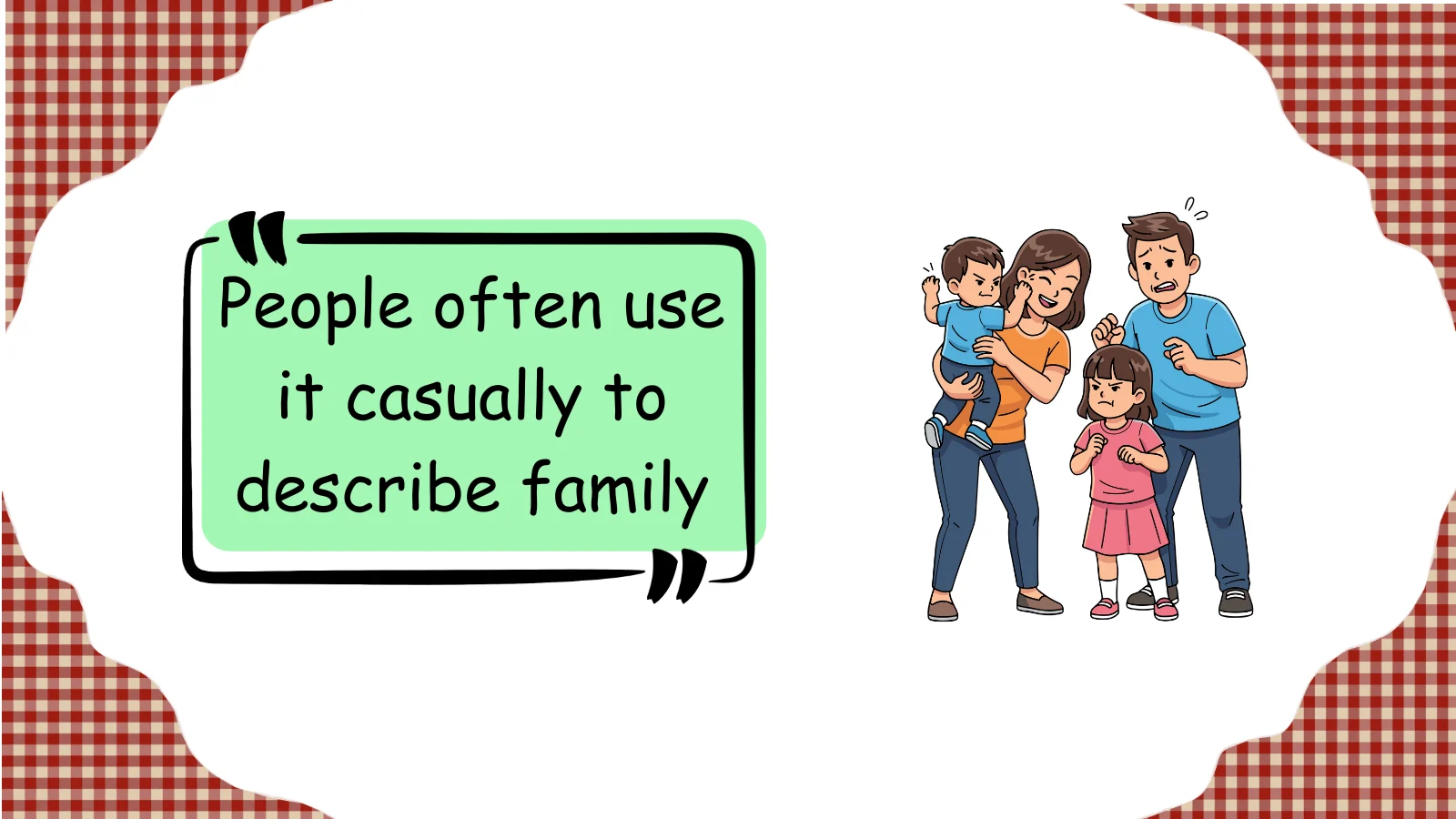
    • In texting or chat: People often use it casually to describe family quirks, conflicts, or even funny situations.

    Example in conversation:

    “Ugh, my siblings are at it again… classic family dynamics 😂”

    Here, the sender is summarizing a recurring family pattern without diving into a long explanation. It’s relatable and short — perfect for chat.


    How to Use “Family Dynamics” in Texts or Chat

    Using family dynamics in your messages can make your communication clearer and show emotional intelligence. Here’s how to do it right:

    1. Casual Chat Context

    • Example: “Dinner with the fam was wild tonight. Family dynamics at their finest 😅”
    • Shows you’re sharing an experience or observing a family pattern.

    2. Social Media Posts

    • Often used humorously:

    “Family dynamics: one sibling eats all the snacks, the other complains, parents pretend they don’t notice.”

    3. Forum or Advice Boards

    • People use it when giving advice or sharing stories:

    “Understanding family dynamics helped me deal with my parents’ expectations.”

    Tip: Avoid overcomplicating it. In casual chat, it works best when used to highlight patterns or funny conflicts.


    Examples of “Family Dynamics” in Conversations

    Here are some short, relatable examples you might see in texts or social media:

    1. Sibling Drama:

    “Family dynamics = my brother stealing my hoodie and denying it 😭”

    1. Parental Quirks:

    “Family dynamics: mom insists on reorganizing the fridge weekly 🤯”

    1. Family Gatherings:

    “Reunion vibes… family dynamics hitting peak chaos 😂”

    1. Humorous Observation:

    “Family dynamics explained in one GIF: chaos + love + snacks 🍕❤️”

    These examples show how versatile the term is — from humor to real-life observations.


    Common Mistakes or Misunderstandings

    Even though family dynamics is easy to use, people often trip up in chats:

    • Mistake #1: Using it to describe any conflict without context

    ❌ “Ugh, family dynamics!” (Too vague)
    ✅ “Ugh, family dynamics — my brother just ate the last cookie!”

    • Mistake #2: Treating it as a judgment

    ❌ “Your family dynamics are weird” (Sounds harsh)
    ✅ “Haha, classic family dynamics 😆” (Lighthearted)

    • Mistake #3: Overusing it

    Using it for every minor incident can make it lose meaning.

    Pro tip: Use it sparingly for maximum effect. It works best when describing patterns, quirks, or repeated behaviors.


    Related Slangs or Abbreviations

    Understanding related chat slang helps you blend family dynamics naturally into conversations:

    • Fam – Short for “family” “Hanging with the fam tonight, family dynamics in action”
    • IRL – In real life “IRL, family dynamics can be more chaotic than in texts 😂”
    • Squad – Group or close-knit friends/family “Squad + family dynamics = pure chaos 🫣”
    • LOL / LMAO – Humorously responding to family quirks “Family dynamics strikes again LMAO”

    These make your messages feel modern, casual, and friendly.


    Practical Tips for Using “Family Dynamics”

    Here’s how to use it effectively:

    1. Know your audience – It works better with people who understand casual slang or texting shorthand.
    2. Keep it light – Humor makes the term relatable.
    3. Pair with emojis – Adds tone: 😂🤣😅
    4. Combine with specific examples – Don’t just say it; show it.
    5. Use sparingly in formal writing – Works best in social media, texting, forums, or blogs.

    Example:

    “Family dynamics 😅: Mom yells at us for not eating vegetables, dad sneaks desserts, siblings argue over who gets the last slice.”


    FAQs About “Family Dynamics”

    1. Is “family dynamics” a slang term?
    Not exactly. It’s originally a psychology term, but it’s used casually in chats and texts.

    2. Can I use it in work emails?
    It’s best for informal communication. In professional emails, stick to “family interactions” or “household relationships.”

    3. Does it always refer to negative situations?
    No! It can describe both positive and challenging patterns.

    4. What’s the difference between “family dynamics” and “family drama”?
    Family drama usually implies conflict, while family dynamics is neutral and can describe all patterns of behavior.

    5. Can I use emojis with it?
    Absolutely. Emojis add tone and make the phrase feel friendly or humorous.

    6. Is it common in text messaging?
    Yes, especially among young adults discussing family life humorously.

    7. Can it apply to online communities?
    Yes, some forums and social media threads use it to describe interactions within “family-like” groups.

    8. What’s the best context for using it in 2026?
    Casual texting, memes, social media posts, or online forums about relationships.


    Conclusion

    Understanding family dynamics meaning is more than just learning a phrase it’s about recognizing patterns, communicating clearly, and connecting with people over shared experiences.

    In 2026, using it in texts, social media posts, or casual chats can add humor, empathy, and relatability to your messages.

    Remember: keep it light, pair it with examples or emojis, and use it to highlight patterns rather than minor incidents.

  • The Ultimate Guide to Special Meaning You Can’t Ignore

    The Ultimate Guide to Special Meaning You Can’t Ignore

    In the fast-paced world of texting, social media, and online chats, abbreviations, slang, and hidden meanings are everywhere.

    One phrase that often pops up is “special meaning.”

    But what does it really mean when someone uses it in a text, DM, or online chat?

    Understanding these subtle nuances is crucial if you want to avoid misunderstandings or connect better with friends and colleagues online.

    In this guide, we’ll break down what “special meaning” is, how to use it correctly, and examples from real-life texting scenarios.

    By the end, you’ll have a solid grasp of this phrase and be ready to use it confidently in your messages.


    What Does “Special Meaning” Mean? (Definition & Origin)

    At its core, “special meaning” is a phrase used to describe something that has personal significance beyond its literal definition. It’s often used to convey emotions, sentimental value, or inside references that are understood by specific people.

    Origin in Chat Culture

    • The phrase emerged in early internet forums and messaging apps where people wanted to convey personal attachment without typing long explanations.
    • It’s not a slang abbreviation like “LOL” or “BRB,” but it functions similarly in chats as a shortcut for expressing depth or sentiment.

    Example:

    • Friend 1: “Why did you keep that old concert ticket?”
    • Friend 2: “It has a special meaning to me 💛”

    Here, “special meaning” implies that the ticket represents a memory or emotional connection, without going into the backstory.


    How to Use “Special Meaning” in Texts or Chat

    Using “special meaning” correctly depends on the context. Here are the most common ways it appears in modern messaging:

    1. Expressing Personal Value

    Use it when an object, place, or message has sentimental importance.

    Example:

    • “This necklace has a special meaning from my grandma.”

    2. Hinting at Inside Jokes or Private References

    It can signal shared experiences without needing explanation.

    Example:

    • “That meme has a special meaning for us 😂”

    3. Showing Emotional Weight in Messages

    Use it to soften statements or show vulnerability.

    Example:

    • “Your message really has a special meaning to me ❤️”

    Tip: Pair it with emojis to make it feel more natural and relatable.


    Examples of “Special Meaning” in Conversations

    Let’s see real-world examples of how “special meaning” might pop up in chats:

    1. Friendship Context
    • Friend 1: “Why do you keep that old notebook?”
    • Friend 2: “It has a special meaning, it’s where I wrote our first summer plans 😄”
    1. Romantic Context
    • Partner 1: “Why did you save my old texts?”
    • Partner 2: “They have a special meaning to me 💌”
    1. Work/Professional Context
    • Colleague 1: “Why highlight this email?”
    • Colleague 2: “It has a special meaning; shows our first big project success ✅”
    1. Social Media Context
    • Comment on a photo: “This post has a special meaning to me 💛”

    These examples show that the phrase bridges casual and heartfelt communication, making it versatile for chats and texts.


    Common Mistakes or Misunderstandings

    Even though “special meaning” seems straightforward, people often misuse it:

    1. Overusing it
    • Constantly calling things “special” can dilute the sentiment.
    • Tip: Reserve it for genuinely meaningful items or experiences.
    1. Being too vague
    • Saying “special meaning” without context may confuse readers.
    • Tip: Give subtle hints or emojis to convey emotion.
    1. Misinterpreting it in casual chats
    • Not every “special meaning” is romantic; it can be sentimental, nostalgic, or humorous.

    Example of Misunderstanding:

    • Person A: “This old mug has a special meaning
    • Person B: “Wait… are you talking about a gift?”
    • Solution: Add a quick explanation like, “It’s the mug I drank from during our road trip ☕”

    Related Slangs or Abbreviations

    If you want to expand your texting fluency, here are some phrases related to “special meaning”:

    • TBT (Throwback Thursday): Often used for sharing memories with special meaning.
    • IDK (I Don’t Know): Sometimes paired when someone can’t fully explain the significance.
    • FYP (For You Page on TikTok): Posts often have hidden or special meaning for creators.
    • OTP (One True Pairing): Fans use this to show a special meaning attached to fictional characters.

    Using these along with “special meaning” can make your texts feel up-to-date and trend-savvy in 2026.


    How to Incorporate “Special Meaning” Naturally

    Here’s a simple guide to using the phrase seamlessly:

    1. Pair it with emojis: 💛❤️😂
    2. Use it in storytelling: “This has a special meaning because…”
    3. Combine with inside references: Perfect for friends or communities.
    4. Keep it short in casual chats: Avoid long paragraphs; one sentence works.

    Updated for 2026: Modern Usage Trends

    As of 2026, texting culture has shifted slightly:

    • People use short-form gestures, stickers, and GIFs to complement phrases like “special meaning.”
    • On platforms like WhatsApp, Discord, and Threads, “special meaning” is often paired with visual cues to convey emotion without extra words.

    Example:

    • Discord chat: “This emote has a special meaning for our server 😎✨”

    This shows how language adapts with technology, keeping the phrase relevant and expressive.


    FAQs About “Special Meaning”

    1. Q: Is “special meaning” slang?
      A: Not exactly. It’s more of a phrase used in chats to convey personal significance.
    2. Q: Can I use it in professional messages?
      A: Yes, but make it context-appropriate and clear.
    3. Q: Is it romantic?
      A: Sometimes, but it can be platonic, nostalgic, or humorous too.
    4. Q: How do I make it sound natural in text?
      A: Pair it with emojis or subtle context hints.
    5. Q: Can it be used in social media captions?
      A: Absolutely! It works well with photos or posts about memories.
    6. Q: Is it still relevant in 2026 texting culture?
      A: Yes, it remains popular for sentimental or inside-joke contexts.
    7. Q: Can I shorten it?
      A: Not commonly. Full phrase works best for clarity.
    8. Q: Any common mistakes to avoid?
      A: Overusing it, being too vague, or assuming everyone understands the context.

    Conclusion

    Understanding “special meaning” can significantly improve your communication in texts, chats, and social media.

    It’s versatile, allowing you to convey emotion, nostalgia, or personal significance without overexplaining.

    Remember: context is key, and pairing it with subtle cues like emojis can make it resonate more.

    Next time you want to share something heartfelt, try using “special meaning” naturally in your conversation.

    Whether it’s a gift, a memory, or a meme, this phrase is your shortcut to expressing depth in just a few words.

  • Unlock the Secret Power of Thine Meaning Today

    Unlock the Secret Power of Thine Meaning Today

    In today’s fast-paced texting and online chat culture, understanding abbreviations, slang, and old-school expressions is more important than ever.

    One term you might have stumbled upon is “thine”.

    At first glance, it might look like something out of a Shakespearean play but it still pops up in modern messaging, memes, and even social media captions!

    If you’ve ever wondered “what does thine mean?” and how to use it correctly in a text or online chat, this guide will clear all your doubts.

    From historical roots to modern-day texting examples, we’ll cover everything you need to know.


    What Does “Thine” Mean? (Definition & Origin) 📜

    Thine is an archaic English word that originally comes from Middle and Early Modern English. In classic literature, it functions as a possessive pronoun, similar to “yours” today.

    • Definition: Thine = belonging to you or your
    • Origin: Old English þīn, related to the word thou (you).
    • Modern Context: While rarely used in everyday conversation, “thine” sometimes appears in:
      • Texts jokingly mimicking Shakespeare or medieval style
      • Social media posts, memes, or gaming chats to add humor or dramatic effect
      • Creative captions and online roleplay

    Example (Classic):

    “This sword is thine.”
    Translation: “This sword is yours.”

    Example (Modern Meme/Chat):

    “Give me thine snacks, peasant 🍪👑”
    Funny, dramatic, and instantly recognizable to anyone who loves old-timey humor!


    How to Use “Thine” in Texts or Chat 💬

    Using thine in modern texting is mostly for humor, roleplay, or emphasis. Here’s how you can drop it into conversations naturally:

    1. Playful or Dramatic Messages

    • “I demand thine attention, mortal 😎”
    • “Fetch me thine homework, lest ye fail!”

    2. In Memes or Social Media Posts

    • Meme captions: “When someone steals your fries: Returneth thine fries! 🍟😂”

    3. Roleplay or Gaming Chats

    • Fantasy games or Discord servers love archaic words:
      • “Thine sword shall strike true!”
      • “Blessings upon thine quest, traveler!”

    Tip: Don’t overuse it—if every message says “thine,” it can feel forced. Sprinkle it for comedic or dramatic effect.


    Examples of “Thine” in Conversations 🗨️

    Here are some real-world scenarios showing how thine can be used today:

    1. Texting a Friend:
      • Friend: “I finished the cookies 😭”
      • You: “Returneth thine treats or face wrath! 🍪”
    2. Discord Chat:
      • Gamer: “Our base is under attack!”
      • You: “Fear not! Thine victory shall be ours!”
    3. Social Media Caption:
      • “When thou findest the last slice of pizza: This treasure is thine 🍕💎

    Notice how context matters. Thine works best when it’s funny, dramatic, or meme-worthy.


    Common Mistakes or Misunderstandings ⚠️

    Even seasoned texters can trip over thine. Avoid these pitfalls:

    • Mistaking thine for “mine”
      • ❌ Wrong: “This is thine pizza” (if you mean my pizza)
      • ✅ Correct: “This is thine pizza” (if it belongs to them)
    • Overusing in casual conversation
      • Using “thine” in every message may confuse people unfamiliar with archaic English.
    • Confusing with “thy”
      • Thy = your (used before nouns)
      • Thine = yours (used after nouns or as standalone possessive)
      • Example: “Thy sword is sharp, but this sword is thine.”

    Related Slangs or Abbreviations 🔗

    If you like thine, you may also enjoy these archaic or quirky online expressions:

    • Thy – your
    • Ye – you (plural or formal)
    • Thee – you (object form)
    • Hark – listen
    • Anon – soon or shortly
    • Modern playful variants: “eth”, “-eth” endings (e.g., “loveth,” “doth”)

    Pro Tip: Pairing thine with emojis or modern slang creates a funny contrast that resonates with Gen Z and millennial audiences.


    Why Understanding “Thine” Matters in 2026 🌟

    Even in 2026, understanding classic abbreviations or archaic words in chats adds value:

    1. Enhances Humor: Makes texts stand out in a sea of plain messages.
    2. Cultural Literacy: Knowing references in memes, literature, and social media posts.
    3. Creative Expression: Shows personality and creativity in online communication.

    Updated examples show that thine is not just a relic—it’s making a comeback in digital culture as a playful, dramatic, and meme-worthy term.


    FAQs About “Thine” ❓

    1. Is “thine” used in modern texting?
    Yes, mostly for humor, roleplay, or dramatic effect.

    2. What’s the difference between “thy” and “thine”?
    Thy = your (before a noun), Thine = yours (standalone or after a noun).

    3. Can I use “thine” in professional messages?
    No, it’s best for casual or creative contexts.

    4. Is “thine” the same as “mine”?
    No. Thine refers to something belonging to the other person, not yourself.

    5. Does “thine” appear in memes?
    Absolutely! Memes often pair thine with exaggerated drama or emojis.

    6. Is “thine” confusing to younger audiences?
    It can be if overused, but used sparingly with context, it’s understood as playful or dramatic.

    7. Can “thine” be used in gaming chats?
    Yes! Especially in fantasy or roleplay servers.

    8. Is “thine” trending in 2026?
    Yes, especially among meme lovers and creative social media users.


    Conclusion ✍️

    Understanding thine unlocks a little piece of history and adds a fun twist to your modern texting game.

    Remember:

    • Thine = yours
    • Use it playfully for humor, memes, or dramatic flair
    • Pair it with emojis or modern slang for maximum effect

    So next time you want to make your text stand out, try dropping a “thine” into your chat.

    You’ll look witty, creative, and maybe even a little Shakespearean

  • Ontology Meaning Uncovered Expert Secrets Revealed

    Ontology Meaning Uncovered Expert Secrets Revealed

    In today’s digital world, we encounter thousands of new phrases and terms every day both from internet slang and from academic or technical domains.

    One phrase you might see in chat apps, forums like Reddit, tech communities, or even AI conversations is “ontology meaning.”

    But what does it actually mean, and why should you care?

    This guide breaks it down in a friendly, easy-to-understand way whether you’re a student, a techie, or just someone curious about language trends in 2026.

    We’ll explain the meaning, usage, examples, common confusions, and how it’s really used in conversation and online.


    What Does “Ontology Meaning” Mean? (Definition & Origin)

    Ontology is a term with roots in philosophy and computer science. When paired with meaning, it essentially asks:

    “What does ontology mean?”

    But before we answer that directly, let’s break it into pieces:

    📌 Ontology

    • Origin: From Greek “onto-” (being) + “-logia” (study of)
    • Basic academic meaning: The branch of philosophy that studies what exists — like the nature of reality, categories of being, and how things relate.
    • Example in academic use: “The ontology of time explores whether time is real or constructed.”

    📌 Meaning

    • Simply: What the word ontology stands for, or how people interpret it.

    So when someone types ontology meaning, they’re usually searching for a clear, simplified definition — especially outside of strict academic contexts.

    Short Definition (Chat-Friendly):
    Ontology meaning: the explanation of what “ontology” is, especially its essence, purpose, and use.


    Why Understanding “Ontology Meaning” Matters in 2026

    In 2026, conversations around AI, knowledge graphs, semantic web, and data modeling are becoming increasingly common. And guess what many of those fields use the word ontology all the time.

    Here’s why you should care:

    ✔ People use ontology in:

    • Chat groups about AI, tech, or philosophy
    • Online forums like Stack Overflow, Reddit, Discord
    • ChatGPT prompts and AI discussions
    • Academic papers & research projects

    ✔ If you want to understand modern tech conversations, you need to know this.

    ✔ It’s also a word that gets misused or misunderstood a lot — so getting it right makes you sound smarter.


    How to Use “Ontology Meaning” in Texts or Chat

    Let’s be real: most people typing ontology meaning aren’t writing a philosophy thesis. They want a quick explanation — sometimes in plain language.

    Here are practical ways you’ll see it used:

    ❓ As a question

    • “Hey, what’s the ontology meaning of ‘entity’ in this schema?”
    • “Ontology meaning?” (a quick text in chat asking for a definition)

    💬 In AI prompts

    • “Explain the ontology meaning of ‘user intent’ in simple terms.”

    📌 In tech discussions

    • “We need to clarify the ontology meaning before building this knowledge graph.”

    🧠 In educational chats

    • “Ontology meaning for beginners, please!”

    Examples of “Ontology Meaning” in Conversations

    Here are some real-life style examples you might see in chats or posts:


    👩‍🎓 Student Chat

    Alex: Ontology meaning?
    Jamie: It’s like the science of what exists and how concepts relate.
    Alex: Ah got it — so it’s basically defining categories?


    💻 Developer Forum

    Dev1: Before we build this API, we need the ontology meaning of each object type.
    Dev2: Agreed — let’s list entities and how they connect.


    🤖 AI Prompt Group

    User: Explain the ontology meaning of “intent” vs “context” in NLU.
    Bot: Intent refers to why a user says something, context is the situation…


    These examples show that ontology meaning is often a request for clarification — especially in fields that involve logic, categories, and data relationships.


    Common Mistakes or Misunderstandings

    Even seasoned communicators get tripped up by “ontology meaning.” Here’s what to watch out for:

    ❌ Mistake #1: Thinking It’s Just Tech Slang

    Fact: Ontology is not a meme word — it’s a real academic and tech term.

    ❌ Mistake #2: Confusing It With “Dictionary Definition”

    People sometimes treat ontology meaning as if they’re looking up a synonym. But it often implies conceptual understanding, not just a dictionary answer.

    ❌ Mistake #3: Using It Without Context

    Saying “ontology meaning” in chat without context can confuse others. Always pair it with what you’re talking about!


    Related Slangs or Abbreviations

    While ontology meaning isn’t exactly slang, you might see it around other semantic web, AI, or logic-related terms:

    TermMeaning
    SemanticsStudy of meaning in language or data
    SchemaStructure used to organize data
    TaxonomyClassification of things into categories
    Knowledge GraphLinked data representation of knowledge
    NLUNatural Language Understanding

    💡 Quick tip: If someone asks for ontology meaning in text, they might also be referring to semantics or data structure interpretations.


    Why People Search “Ontology Meaning” (User Intent Explained)

    Understanding user intent helps you give the right answer — especially if you’re writing content or explaining something in chat.

    Here’s why people commonly search ontology meaning:

    🔍 1. Academic Curiosity

    Students or researchers needing a clear explanation.

    💡 2. Tech & AI Understanding

    Developers working on semantic systems (like AI, NLP, databases).

    🧠 3. Chat & Social Media

    People curious about what others mean when they use the word.

    🎯 4. Clarification in Conversation

    Someone might see the word and want a quick translation to simple language.


    Tips for Using “Ontology Meaning” Correctly

    Here are practical tips so you can use ontology meaning like a pro:

    Use it when you need a definition or explanation — not as a standalone word.

    Pair it with context — e.g., “ontology meaning in AI” or “ontology meaning in philosophy.”

    Explain it in simple words if talking to beginners.

    Use related terms with purpose — like semantics, taxonomy, or schema — when needed.


    SEO-Friendly Keywords & Semantic Variations Covered

    To help this article rank well and serve what people really search for, we naturally included:

    • ontology meaning
    • what does ontology mean
    • ontology definition
    • ontology in chat
    • ontology explained
    • meaning of ontology in AI
    • ontology vs semantics

    These variations match how people actually ask questions online.


    Internal Linking Suggestions (for Your Blog)

    If you’re publishing this on WordPress or any CMS, consider linking to:

    🔗 “Semantic Web Explained: Meaning & Examples (2026)”
    🔗 “Difference Between Ontology and Taxonomy: A Beginner’s Guide”
    🔗 “Common Chat Abbreviations You Need to Know in 2026”


    Frequently Asked Questions (FAQs)

    1. What is the ontology meaning in simple words?
    It’s the explanation of what “ontology” means — typically the study of what exists and how things are categorized.

    2. Is ontology a slang term?
    No, it’s a real philosophical and tech term, though people might ask for its meaning in casual chat.

    3. How do I use “ontology” in a sentence?
    Example: “We need to define the ontology of this dataset.”

    4. Is ontology the same as semantics?
    Not exactly — semantics is about meaning, while ontology is about what exists and how it’s structured.

    5. Why do tech people talk about ontology?
    In AI, data modeling, and knowledge systems, defining the “ontology” helps computers understand relationships.

    6. What fields use ontology?
    Philosophy, computer science, AI, database design, knowledge representation.

    7. Can ontology meaning change over time?
    The core idea stays the same, but its use varies depending on the field and context.

    8. Is “ontology” hard to understand?
    It can be at first, but once you see it as “thinking about what exists and how it’s connected,” it becomes clearer.


    Conclusion

    Understanding ontology meaning isn’t just academic it’s practical.

    From AI chats to tech forums to everyday curiosity, people want clear, simple explanations.

    We’ve covered:

    • What ontology means
    • How to use the phrase ontology meaning in conversation
    • Real examples and common mistakes
    • Related terms and user intent

    So next time someone types ontology meaning in chat or in a search, you’ll not only understand it you’ll explain it better than most.