Texting and online chats have created a whole new language full of abbreviations, slang, and playful twists.
Whether you’re scrolling TikTok comments, DMing a friend, or hopping on Discord, certain words have taken on fresh meanings. One such word is “villain.”
Understanding what villain means in chat and texting isn’t just fun it can help you keep up with online conversations, avoid misunderstandings, and even spice up your replies.
Let’s dive into what this word really means in 2026 texting culture, how to use it correctly, and how it’s shaping modern slang.
What Does “Villain” Mean? (Definition & Origin)
In traditional terms, a villain is the bad guy in movies, books, or stories—the one causing chaos or trouble. But online and in texting, the term has evolved.
Chat Definition (2026)
- Villain (slang): A person who playfully or jokingly breaks the rules, teases others, or acts mischievously in a charming or cheeky way.
- Context: Often used humorously or flirtatiously in DMs, gaming chats, or social media threads.
Origins
- Borrowed from classic storytelling (“hero vs villain”)
- Became popular in memes and TikTok culture around 2022–2023
- Now widely used to describe someone who’s teasing, sly, or playfully naughty
Pro Tip: Don’t confuse this with someone actually being mean they’re usually being playfully villainous.
How to Use “Villain” in Texts or Chat
Using villain correctly can make you sound witty and in-the-know. Here’s how:
- Playful Teasing:
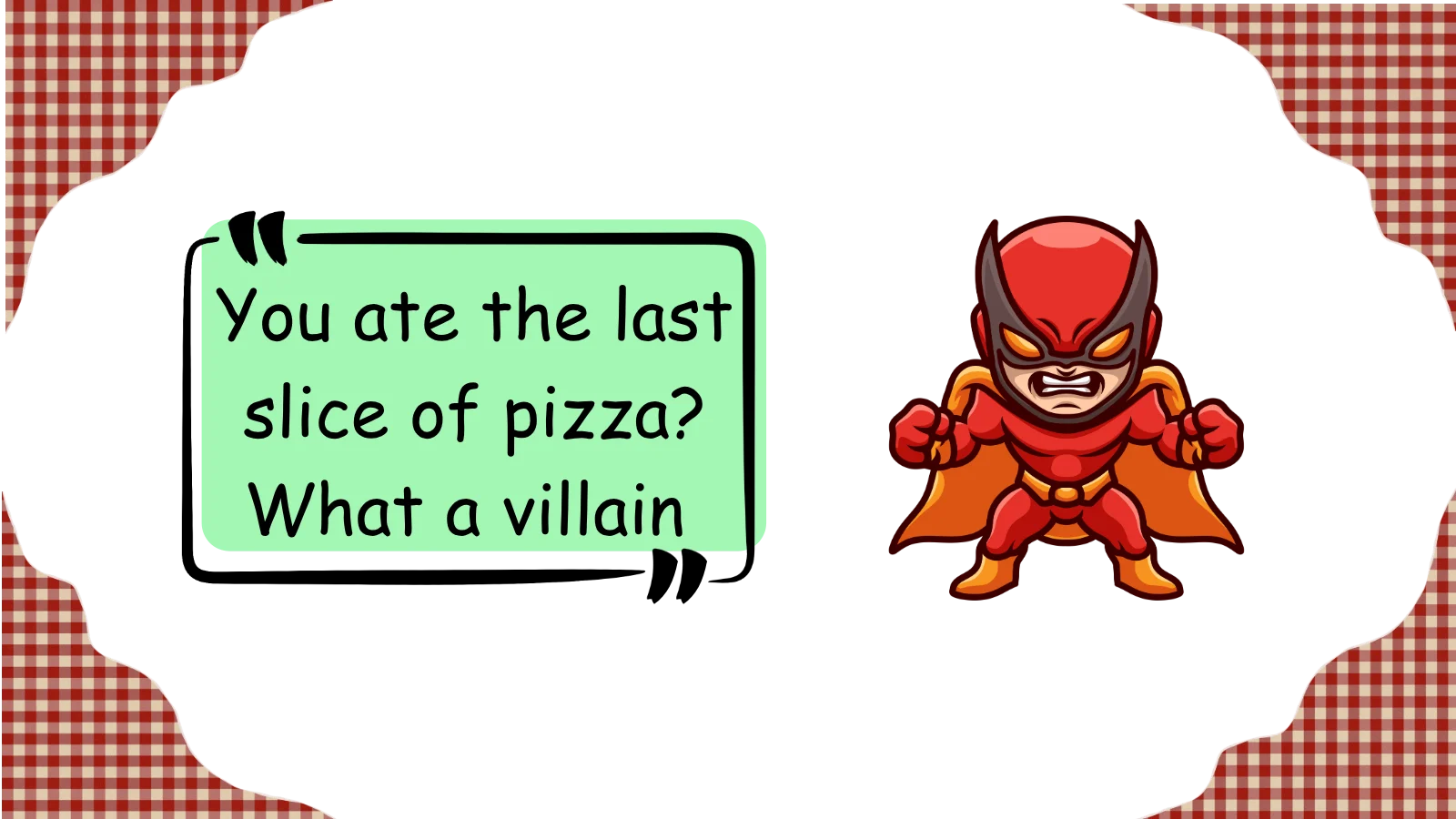
- Example: “You ate the last slice of pizza? What a villain 😏”
- Flirtatious Banter:
- Example: “Stop being a villain, you’re making me blush 😅”
- Highlight Mischief:
- Example: “Posting spoilers again? You little villain 😈”
Tips for Usage
- Add emojis for tone—it helps the recipient know you’re joking
- Avoid using it for serious offenses; context matters
- Combine with playful adjectives for maximum effect
Examples of “Villain” in Conversations
Here’s how villain appears in modern texting scenarios:
- Friend Group Chat: “I finished your fries… sorry, villain energy activated 🍟”
- TikTok Comment: “This hack is too good… you’re a villain for sharing it 😏”
- Gaming Chat: “Camping in the base again? Total villain move, lol”
Notice the playful tone and humor—it’s never literal evil.
Common Mistakes or Misunderstandings
Even seasoned texters sometimes misuse villain. Avoid these:
- Calling someone a villain in anger – this can be misunderstood as serious offense
- Overusing the term – like any slang, it loses charm if spammed
- Ignoring context – not every playful act deserves the “villain” label
Quick Tip: If you’re unsure, pair it with an emoji 😏 or 😈 for clarity.
Related Slangs or Abbreviations
If you like using villain, you might enjoy these trending chat terms:
- Sus – suspicious or shady behavior
- Snack – someone looking attractive or appealing
- Cheeky – playful, slightly mischievous
- Fnl – shorthand for “finally” (common in casual chats)
FNL Meaning in Texts (Short Bonus Section)
Since fnl sometimes appears alongside playful slang, here’s the lowdown:
- FNL = Finally
- Usage in chat: Celebrating something long-awaited
- “Fnl done with exams 🎉”
- “Fnl someone understands my memes 😂”
It’s perfect for texting, social media captions, or quick responses when excitement peaks.
Tip: Keep it lowercase or uppercase depending on the chat tone.
FAQs About “Villain” and Chat Usage
1. Can I call someone a villain without offending them?
Yes, if the tone is playful and paired with emojis 😏😈.
2. Is villain only for young people online?
No, anyone active in online chat culture can use it.
3. Can villain be used romantically?
Absolutely! Flirtatious banter often uses villain humorously.
4. Is villain the same as a bad person?
Not usually—it’s playful, not literal.
5. Where is villain most used online?
TikTok comments, Discord, Instagram DMs, and group chats.
6. What’s the difference between villain and sus?
Villain is playful mischief; sus is suspicion or shady behavior.
7. Can I mix villain with other slang?
Yes! For example: “You’re a villain but also a total snack 😏”.
8. Is fnl commonly used outside texting?
Mostly in casual messaging and social media captions.
Conclusion
Understanding the villain meaning in texts is a fun way to keep up with modern slang.
Whether you’re teasing a friend, flirting, or just spicing up your online chat, villain adds playful, mischievous energy.
Paired with emojis and the right context, it can make conversations far more engaging.
Don’t forget fnl, a simple but expressive shorthand for excitement or relief. Combined, these terms help you communicate naturally in 2026’s fast-paced chat culture
Leave a Reply