In the fast-paced world of texting, social media, and online chats, understanding every word or abbreviation can save you from awkward misunderstandings.
One term that often pops up, both online and offline, is “verbatim.”
But what does it really mean, and why does it matter in today’s digital conversations?
Whether you’re replying to a group chat, quoting someone on Twitter, or just trying to sound precise in your messages, knowing the verbatim meaning can make your communication clearer and more professional without sounding stiff or robotic.
Let’s dive into the full breakdown of this term, how to use it correctly, and even some real-life examples to make it stick.
What Does “Verbatim” Mean? (Definition & Origin)
At its core, “verbatim” means word-for-word. If you repeat something verbatim, you are quoting exactly what was said or written, without changing a single word.
Origin of the Word
- Latin roots: From verbum, meaning “word.”
- Historical use: First appeared in English in the 15th century, mainly in legal and scholarly contexts.
Quick Definition:
- Verbatim (adjective/adverb): Exactly as stated; word-for-word.
Example in real life:
If your teacher says, “Write the definition verbatim from the textbook,” it means you shouldn’t paraphrase copy it exactly.
How to Use “Verbatim” in Texts or Chat
While it may sound formal, “verbatim” has found its way into modern texting and online chats, especially in professional or academic conversations.
Texting Scenarios:
- Group chats with friends: Friend: “I can’t believe he said that!”
You: “Yeah, she said it verbatim—‘You’re late again!’” - Work emails or Slack messages: “Please forward the client’s instructions verbatim to the team.”
- Social media quoting: Retweeting or sharing posts exactly as written—common in journalism or fan pages.
Tip: In casual chats, people sometimes use “verbatim” humorously to emphasize exact quotes.
“He said verbatim, ‘I’m never eating pizza again,’ and then ordered three slices!”
Examples of “Verbatim” in Conversations
Let’s look at some realistic, modern examples:
Casual text:
Friend 1: “What did she say about the party?”
Friend 2: “She said verbatim, ‘No, I can’t make it, but have fun!’”
Professional Slack chat:
“Please copy the client’s email verbatim when sharing with the marketing team.”
Forum or Reddit:
“I quoted the review verbatim to show the exact opinion.”
Notice how verbatim signals accuracy and attention to detail. In online communication, it’s your way of saying, “I’m sharing this exactly as it was.”
Common Mistakes or Misunderstandings
Even though it’s simple, people misuse “verbatim” all the time. Here are common pitfalls:
- Using it instead of paraphrasing:
- ❌ “He explained verbatim what happened, but then added his own twist.”
- ✅ “He explained the instructions verbatim, no extra comments.”
- Confusing it with similar words:
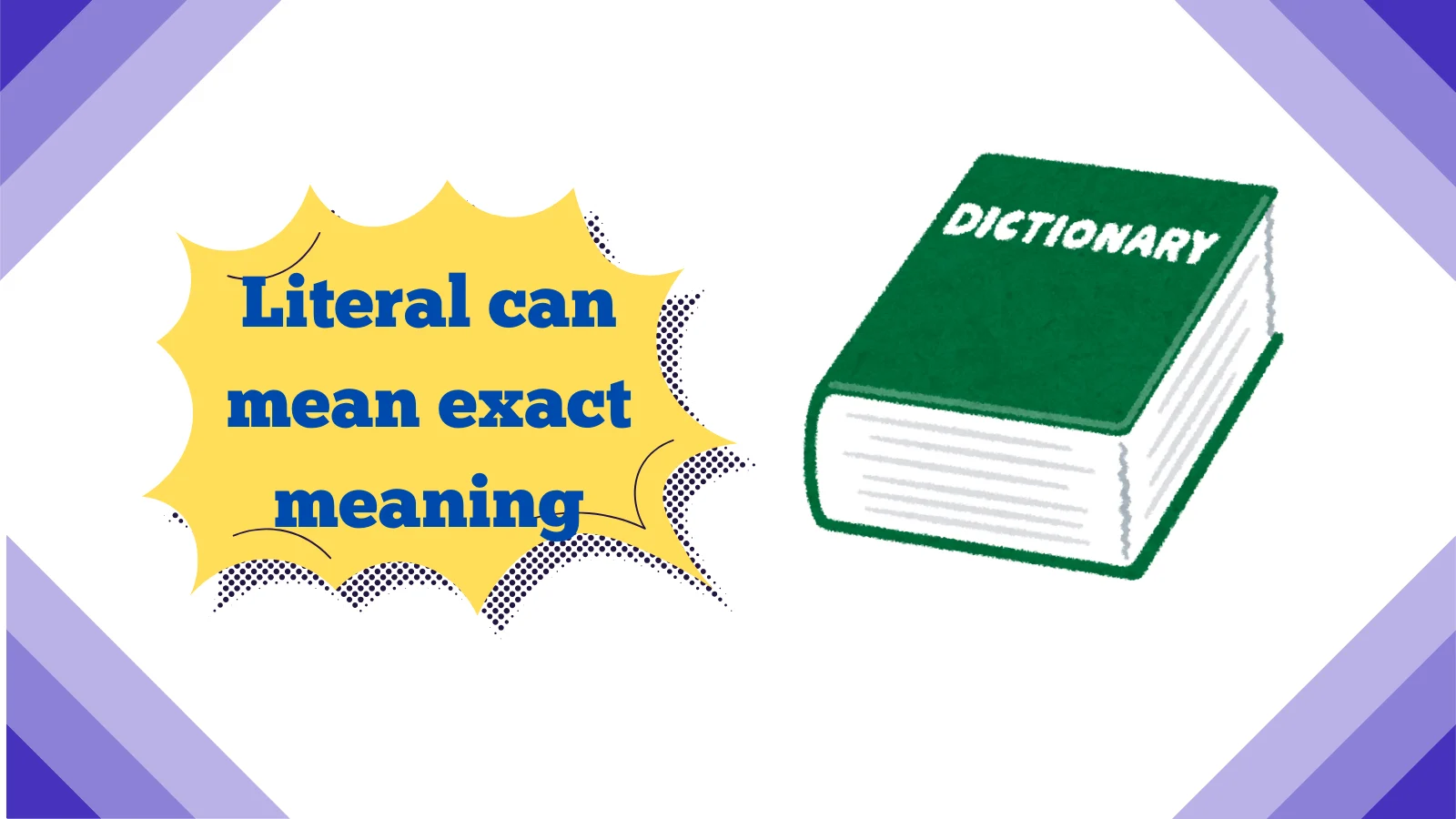
- “Literal” ≠ “verbatim.” Literal can mean exact meaning, but verbatim is exact wording.
- Overusing in casual chats:
- Friends might find it too formal if you drop it in every message. Use it sparingly for emphasis.
Related Slangs or Abbreviations
While verbatim isn’t an abbreviation itself, it often comes up with other chat slang or texting shortcuts:
- TL;DR – “Too long; didn’t read.” Sometimes used when summarizing verbatim content.
- ICYMI – “In case you missed it.” Could precede a verbatim quote.
- Quote blocks / “>” in Discord/Reddit – Often used to show verbatim text.
💡 Pro Tip: If you want to show that you’re quoting someone exactly in a text or post, you can pair verbatim with formatting like quotation marks or italics.
Practical Tips for Using “Verbatim” Correctly
- Use in professional or precise contexts:
- Legal documents, school assignments, emails, or reports.
- Pair with quotation marks:
- Example: She said verbatim, “I will be late for the meeting.”
- Don’t overcomplicate casual chats:
- Save verbatim for situations where exact wording matters.
- Combine with humor for friends:
- “He said verbatim, ‘I’m never texting again,’ and then sent five memes.”
- Digital context:
- Copying text exactly on social media or forums often implies “verbatim” use.
Updated for 2026: How the Usage Has Evolved
With the rise of AI chatbots, TikTok transcripts, and digital classrooms, verbatim usage is more relevant than ever:
- AI & transcripts: Copying chat or video captions verbatim ensures accuracy.
- TikTok/Instagram captions: Creators quote comments or dialogues exactly to avoid misinterpretation.
- Online forums: Verbatim quotes prevent misrepresenting someone’s opinion.
The trend shows that while texting has shortened language, verbatim still matters for authenticity.
FAQs About “Verbatim Meaning”
- What does verbatim mean in texting?
It means quoting someone exactly, word-for-word, without changes. - Is verbatim formal or casual?
Mostly formal, but can be used humorously in casual chats. - Can I use verbatim in social media posts?
Yes, especially when quoting someone or showing exact words. - Difference between verbatim and literal?
Verbatim is exact wording; literal is exact meaning. - Is verbatim an abbreviation?
No, it’s a full word often used in professional and online contexts. - How to indicate verbatim text in messages?
Use quotation marks, italics, or mention “verbatim.” - Can I use verbatim for memes?
Absolutely! Quoting exact dialogue can make memes funnier and relatable. - Why is verbatim still important in 2026?
Accuracy in communication matters more than ever in a digital-first world.
Conclusion
Understanding the verbatim meaning is essential for anyone navigating online chats, texts, or social media in 2026.
Whether quoting a friend, sharing a client’s instructions, or posting on a forum, using verbatim correctly shows attention to detail and prevents miscommunication.
Remember:
- Use verbatim when exact wording matters.
- Pair it with quotation marks or formatting online.
- Balance it with casual language in friendly chats to avoid sounding overly formal.
Leave a Reply